Insights > Article > Posted: 2026-Feb-11, Updated: 2026-Apr-15
A Homeowner’s Guide to Heritage Home Window Replacement
A practical guide for Ottawa homeowners navigating century home window restoration and replacement. Learn how to meet City of Ottawa Heritage Permit requirements, comply with Ontario Heritage Act rules, and use modern simulated heritage solutions - including authentic SDL grilles and clad-wood profiles - to boost energy efficiency without losing historical character.
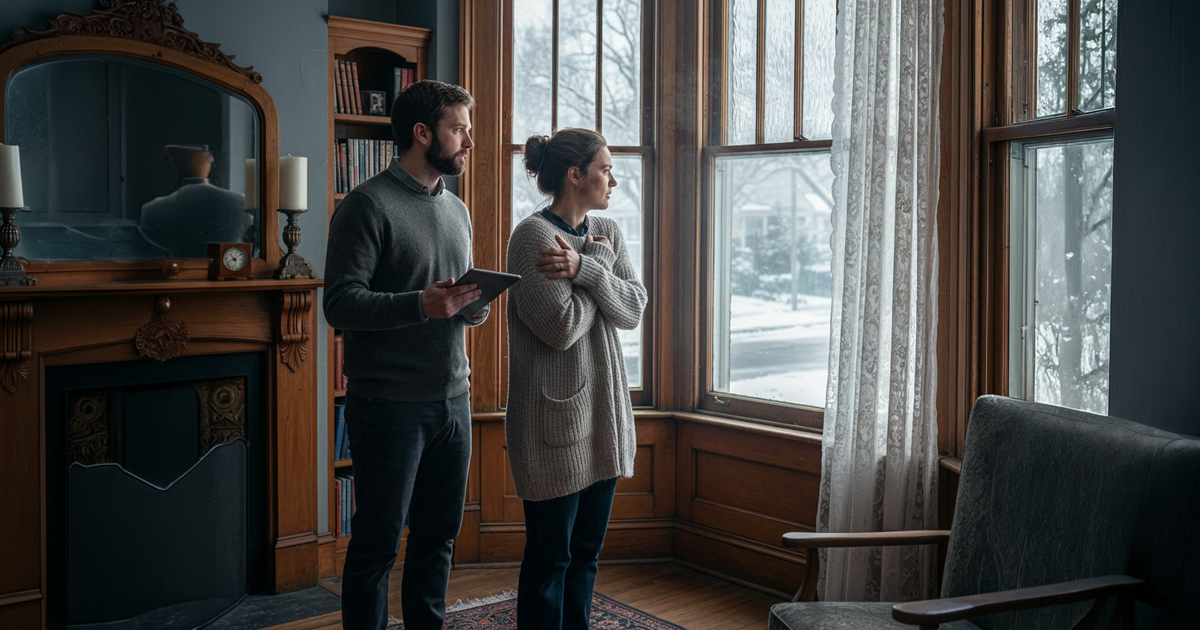
It’s the classic heritage heartbreak: Do you spend a small fortune to restore the original craftsmanship, accepting that you’ll always live in a cardigan? Or do you risk architectural extinction by replacing them with less sophisticated, more economical, yet more energy-efficient solution? Sometimes your choices are limited. Read on and find out why.
In this article:
- Restoration vs. Replacement
- Designated Heritage Homes
- Non-Designated Heritage Homes
- Bridging the Craftsmanship Gap
- The "Like-for-Like" & Alternative Mimics in Ottawa
- Why Simulation Wins
- High-Tech Performance, Evolving Low-Profile Look
- Battling the Climate Zone
- The Inside Character of your Home
- Bayview's Brands: Canadian Weapons Against the Cold
- Helping you Bring your Windows Back to Life
- Summary: Investing in Legacy
- Related articles
- Request a quote
Restoration vs. Replacement
There is a certain romance to original timber, but that romance fades quickly when your curtains are fluttering from a draft in mid-January. While some windows are sleeping beauties, others may have reached the end of their existence.
The Case for Restoration
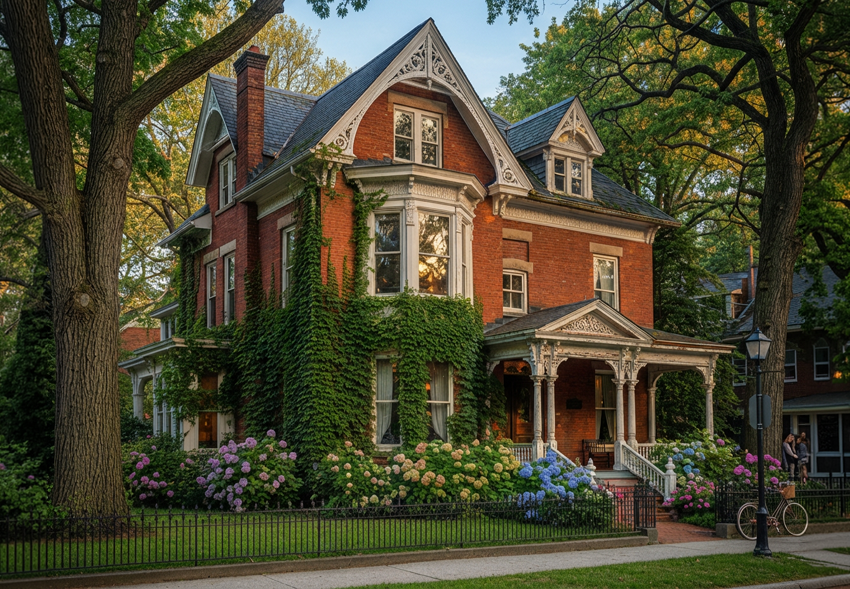
Many heritage windows are made from old-growth timber. This wood is incredibly dense and rot-resistant, far superior to the quick-growth pine used in many modern off-the-shelf windows today. If the frames are solid, restoration (stripping paint, re-roping pulleys, and weatherstripping) is often more sustainable and keeps the home’s appraisal value high.
The Case for Replacement
Sometimes, history has been unkind, especially when considering Ottawa weather. If you see "soft" wood (structural rot), significant frame warping, or if a previous owner replaced the originals with cheap, ugly inserts, it may be time for a full replacement.
But, before you decide on restoration or replacement, you'll need to determine whether your home is a designated heritage property, or not.
Tip: Gently press a flat-head screwdriver into the windowsill. If it sinks in like butter, you have rot. If it resists, that wood may be worth saving.
Designated Heritage Homes
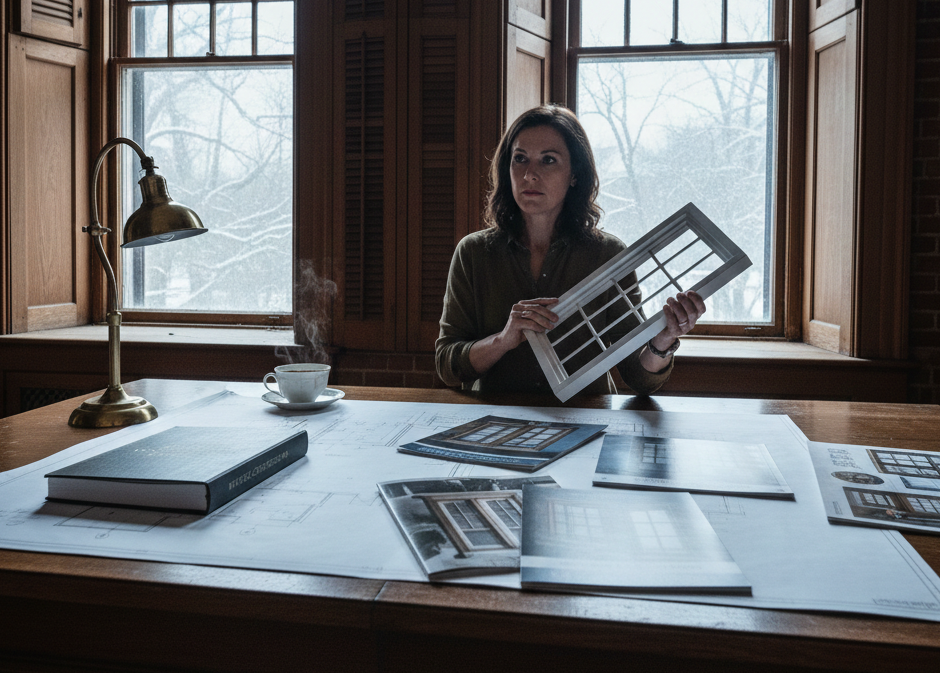
In Ottawa, the rules for heritage properties are governed by the Ontario Heritage Act, and the city is quite rigorous about enforcing it, especially in older neighbourhoods like Rockcliffe Park, The Glebe, Sandy Hill, or Centretown.
Is My Home a Designated Heritage Residence?
If you think your home may be a designated heritage residence, you should consult these specific local resources before you secure a contractor or order new windows. Under the Ontario Heritage Act, skipping the permit process isn't just a paperwork oversight; it’s a provincial offence.
City of Ottawa’s Heritage Register
A public list of over 4,600 properties that the City has identified as having cultural heritage value, even if they aren't officially "designated." Check Classification
Check if your home is on the Register
You can use this tool to determine if your home is a "contributing" heritage building or simply a non-designated property of interest. (click layers icon > zoning) Visit Geo Ottawa Map
Main Heritage Overview
The central hub for Ottawa’s heritage policies, providing the groundwork for how the City protects its historical architecture and neighbourhoods. Visit Overview
Heritage Planning Branch
The professional team of city planners who provide expert advice on restoration, review permit applications, and manage the conservation of Ottawa’s built history. Visit Web Page
Ottawa Property Grant Programs
A matching grant that can reimburse up to 50% of the cost (up to $10,000 for residential homes) for the authentic restoration of original windows, masonry, and other heritage attributes. See Program Status
Tip: Minor "like-for-like" changes can often be approved by City Staff (delegated authority), but major changes may require a presentation to the Built Heritage Committee.
The Ottawa Heritage Permit Process
In Ottawa, if your home falls under Part IV (individual designation) or Part V (Heritage Conservation District) of the Ontario Heritage Act, you must apply for a Heritage Permit before any work begins. For most window replacements, the decision is made at the "Staff Level" (meaning heritage planners approve it without needing to go to a full City Council vote). Permit at time of writing was $309.00.
Tip: The city usually accepts applications in the fall (around October/November) for projects planned for the following year. If they are planning a window replacement for 2026 or 2027, they should check the site in September to download the latest application forms.
Note: You can include multiple alterations in one application. If you are doing windows, doors, and a porch restoration at the same time, it’s still just one $309 fee.
Non-Designated Heritage Homes
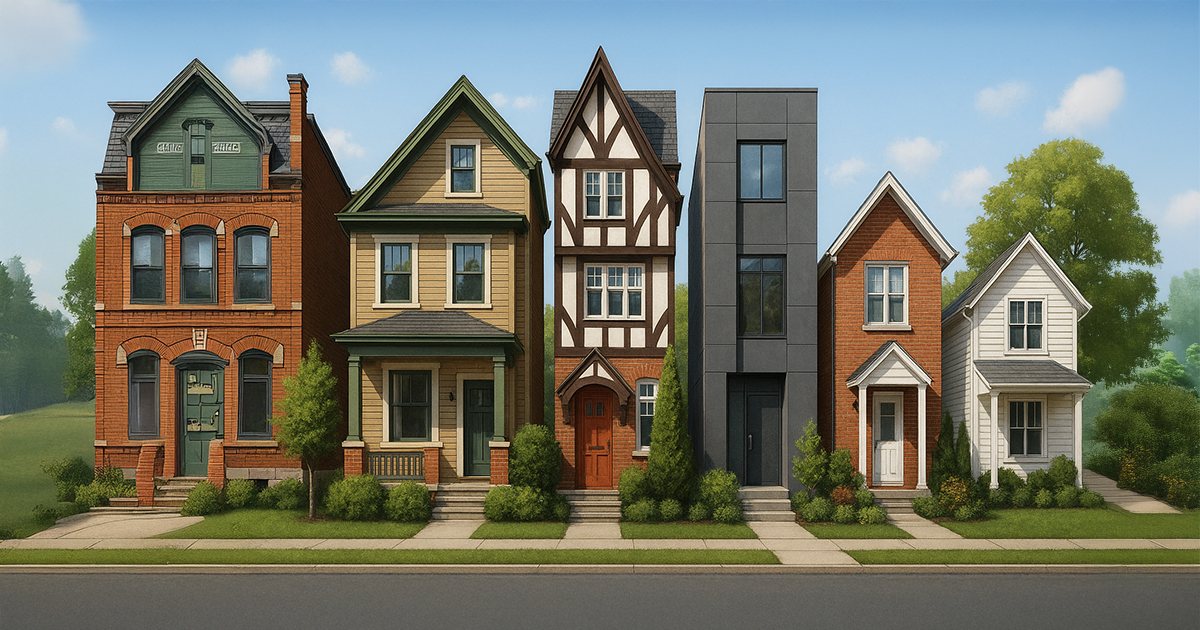
If your home isn’t tucked away in a designated conservation district, you have a wide world of design freedom. You can capture that classic "Ottawa Century Home" aesthetic look without the strict material requirements of a heritage permit.
Modern high-performance windows offer incredible flexibility to mimic historical styles, using maintenance-free aluminium, fibreglass, high-grade vinyl, and even wood, all while significantly boosting your home's energy efficiency.
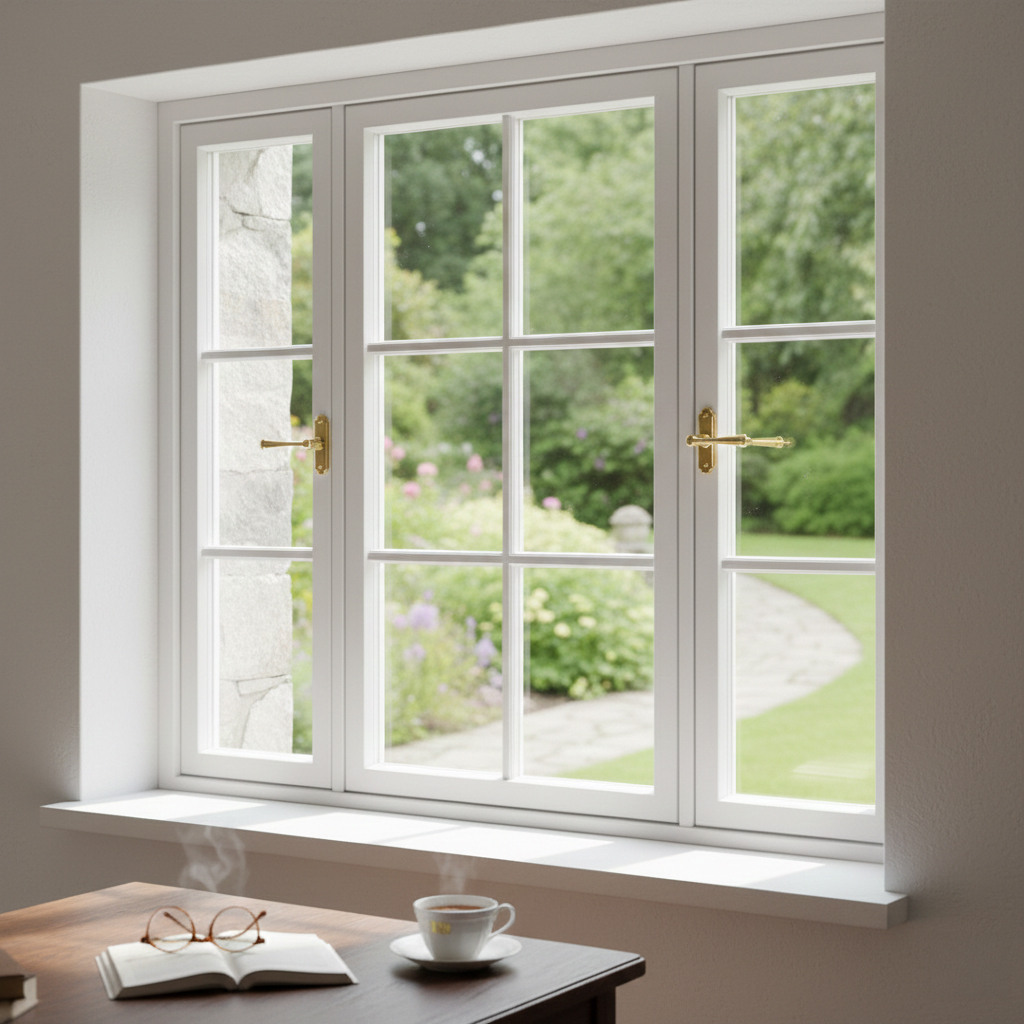
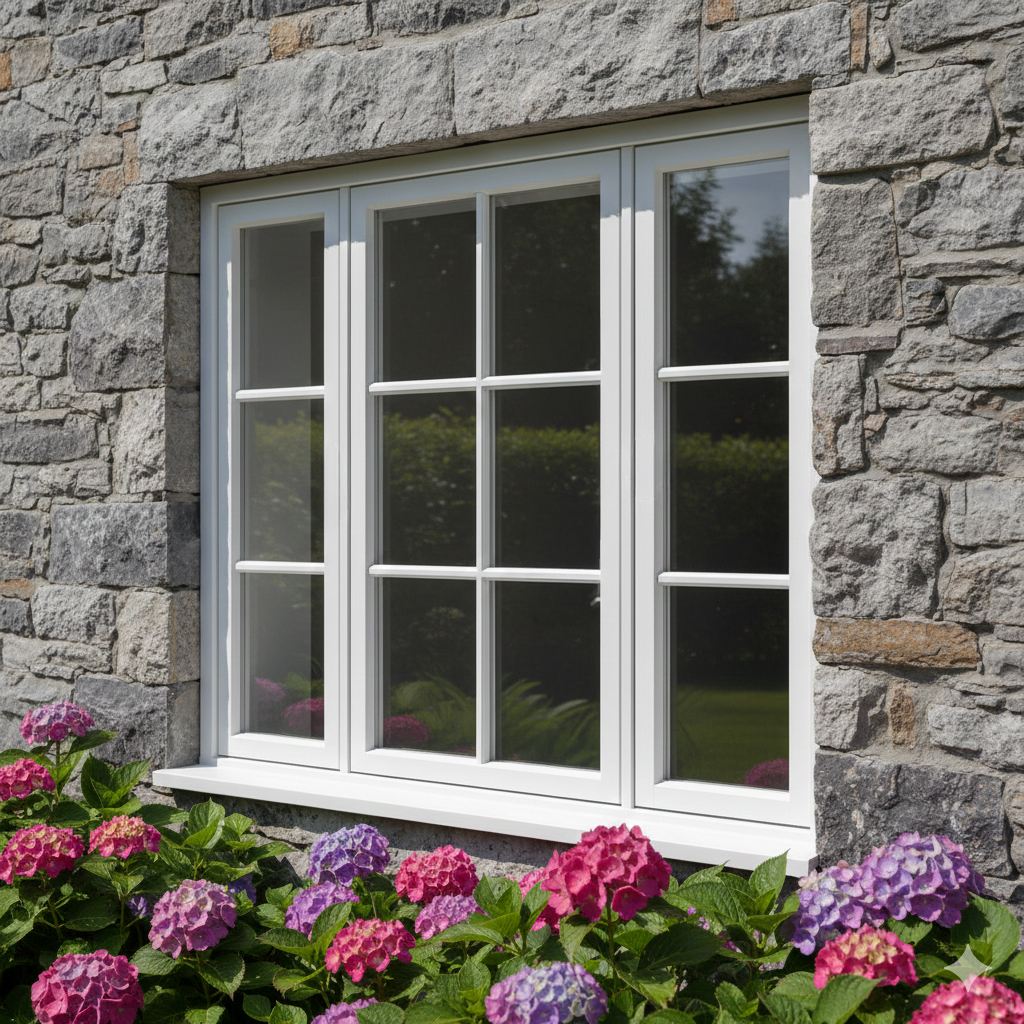
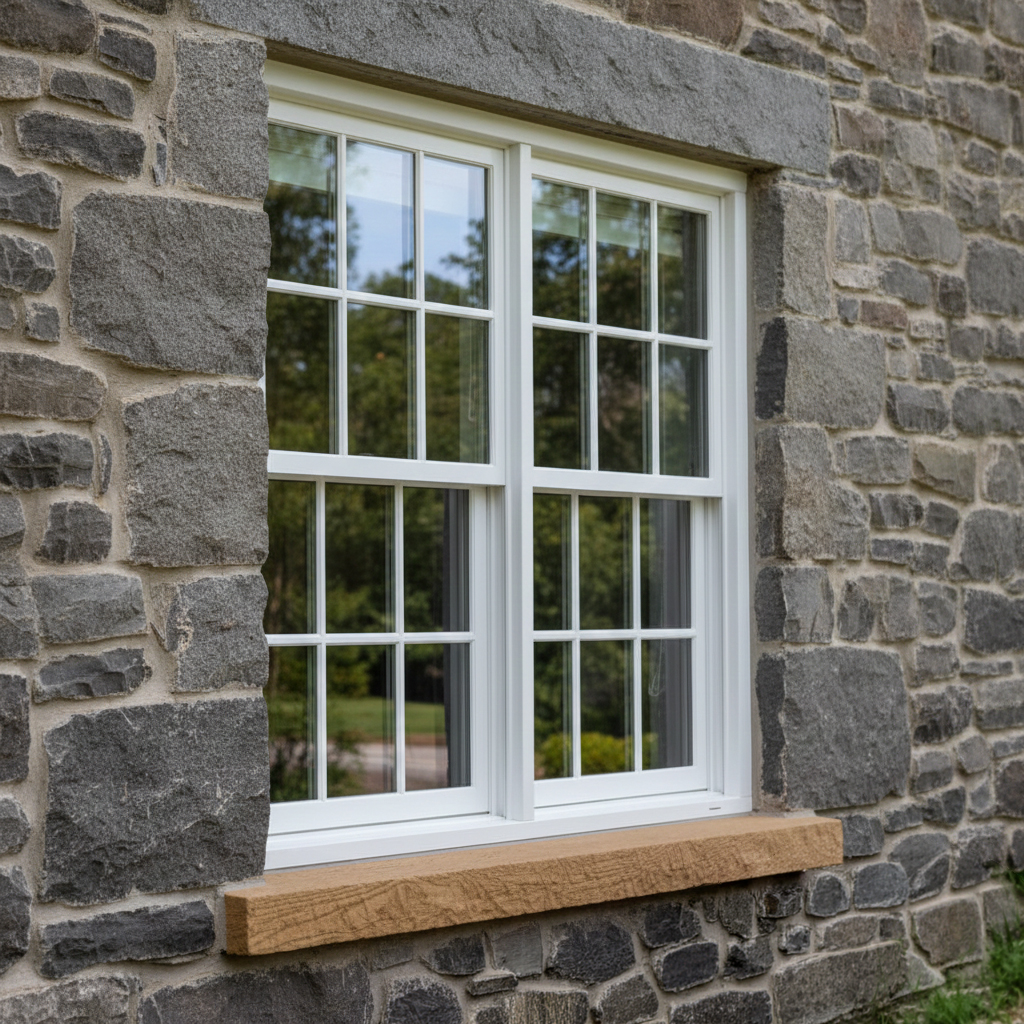
You can achieve a period-accurate look using Simulated Divided Lite (SDL) grilles, which are permanently adhered to both the interior and exterior of the glass. Unlike basic "snap-on" plastic grids, SDLs create the authentic depth and shadow lines of a traditional window at a fraction of the cost of custom wood.
From specialised hardware finishes to diverse frame profiles, you can tailor a solution that honours the architectural history of neighbourhoods like Westboro or Alta Vista while enjoying the comfort of modern, draft-free technology.
Bridging the Craftsmanship Gap
While a professional millwork might cost $3,000 to $5,000 for a single mahogany sash, modern simulated solutions offer a significant cost reduction without the "cheap" aesthetic. For heritage-dedicated properties, always check with the heritage authority before you commit to a product or installer.
| Feature | Traditional Millwork | Simulated Heritage |
|---|---|---|
| Material | Old-growth Timber / Mahogany | Composite (Fibrex), Accoya, or Clad-Aluminium, some high-end approved vinyl products |
| Maintenance | Sanding/Painting every 5 years | Lifetime "wipe-down" finish |
| Glazing | Single pane (leaky) | Storm windows are often recommended, or thin Vacuum Insulated Glass (VIG) if available |
| Longevity | 100+ years (if maintained) | 30–50 years (maintenance-free) |
The "Like-for-Like" & Alternative Mimics in Ottawa
The City of Ottawa’s Heritage Planning department follows the Standards and Guidelines for the Conservation of Historic Places in Canada. For windows, they prioritise repair over replacement.
If your home is not in a designated conservation district, but you want to keep the historic authenticity of your home, you may want to follow some of the like-for-like heritage replacement rules, or you can choose the more economical mimics.
If your home is in a conservation district or is a designated landmark, you can’t simply pop over to a big-box store and buy a vinyl window.
Most heritage committees require a Heritage Permit. They look for "like-for-like" replacements. This means the new window must match the original.
The greatest "magic trick" of modern window technology is hiding the bulkiness. Historic homes look elegant because their window frames are slim.
Profile: The Architecture of the Frame
The "profile" refers to the three-dimensional shape and depth of the window’s components (sills, sashes, and casings).
- The Heritage Requirement: Old wood windows have deep shadows and intricate "brickmould" profiles. Modern windows are often "flush" or flat. The City requires the new frame to match the exact thickness and "stepped" appearance of the original wood to maintain the building's historic face.
- The Modern Mimic: You can use "high-profile" vinyl or fibreglass frames that are specifically engineered to cast the same deep shadows as traditional wood. Look for sloped, bevelled "putty-line" profiles, vertical/horizontal "butt" joints; you may have to settle for diagonal "welded" corners, which are not period characteristic.
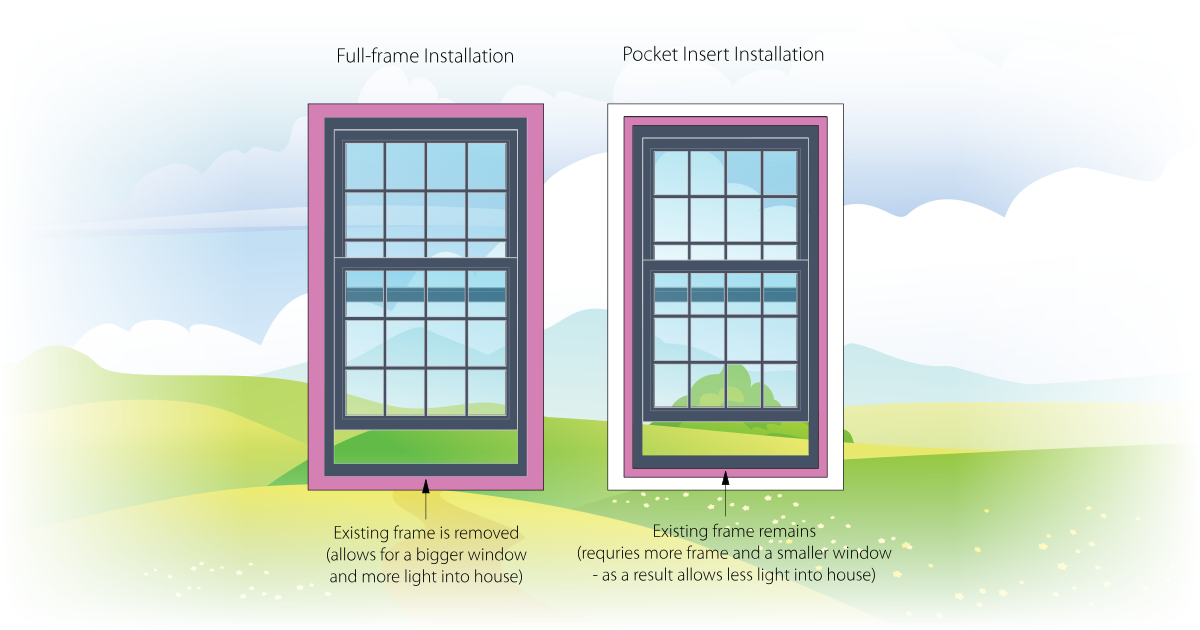
- Be wary of "Pocket" or "Insert" windows. Because this involves putting a frame inside a frame, you'll lose significant glass area. Your windows will look smaller, and your rooms will feel darker. For heritage homes, a Full-Frame Replacement is almost always the better aesthetic choice.
Muntins: The "Bars" of the Window
Muntins are the strips of wood that separate individual panes of glass.
- The Heritage Requirement: The City of Ottawa prefers True Divided Lites (TDL), where each pane is a separate piece of glass. However, they frequently approve Simulated Divided Lites (SDL) as long as they are "permanent"—meaning they are fixed to the outside, the inside, and include a spacer bar between the glass so you can't see through the gap.
- The Modern Mimic: Avoid "Grilles Between Glass" (GBG). These look like flat plastic strips trapped in the window and are the quickest way to make a beautiful home look "cheap."
Operation: How the Window Moves
Replacing a sliding sash with a crank-operated casement is usually a big "no-no."
- The Heritage Requirement: You must match the original mechanical function. If your home has "Double-Hung" (sliding up and down) windows, replacing them with "Casement" (cranking out) windows is usually forbidden. This is because a crank handle and the thick vertical "stiles" of a casement window change the rhythm of the house's exterior.
- The Modern Mimic: Many modern manufacturers make "Hidden Casements" that look exactly like sliding sash windows from the street but actually crank open for better airflow and sealing.
Materials: The Substance
Usually Wood. Clad-wood (metal on the outside, wood inside) is sometimes allowed on non-primary facades. Vinyl is almost universally rejected for heritage fronts.
- The Heritage Requirement: Solid Wood is the gold standard in Ottawa. For "Part V" districts (like Sandy Hill), the City may allow Aluminium-Clad Wood (wood inside, painted metal outside) on the sides or back of a house, but rarely on the front. White vinyl is almost never supported for heritage-contributing properties.
- The Modern Mimic: Fibreglass is the best alternative for non-heritage homes. It can be painted any colour (including dark "heritage" greens or blacks) and doesn't expand or contract like vinyl, allowing for slimmer, more authentic-looking frames.
Glass: Thermal Performance vs. Aesthetics
Double-Glazing for energy efficiency is allowed, but the thickness of the overall sash must remain "slim" to match the original profile.
- The Heritage Requirement: The challenge with modern double-glazing is that it is thick, which forces the wood frame to become "bulky." To keep the window "slim," the City is increasingly interested in Vacuum Glazing (VIG).
- Vacuum Insulated Glazing (VIG): VIG is an advanced glazing solution that creates a thermal vacuum between two thin glass sheets, offering the insulation of triple-pane glass within a single-pane profile. While it is an ideal theoretical solution for retrofitting historic sashes, it is currently unavailable in the Ottawa region. Beyond local supply chain limitations, the technology’s 8mm–10mm profile is extremely sensitive to pressure differentials, requiring specialised engineering that is not yet supported by regional window manufacturers.
- The Modern Mimic: You'll want to use clear, Low-E glass with neutral coatings. Triple-glaze or special energy-efficient dual-glaze glass is becoming the standard. Avoid internal grids, tints and non-clear coatings.
Why Simulation Wins
For years, homeowners were forced to choose between the astronomical costs of custom millwork or the architectural "sin" of installing flat, plastic-looking modern windows.
The primary objection to non-wood windows has always been their "flatness." Historic windows have depth; they have shadows.
Today, a new category of Simulated Heritage Solutions has emerged. This approach leverages high-precision technology to mimic the soul of 19th-century craftsmanship while delivering the thermal performance of a 21st-century laboratory. Although these are great solutions, for heritage-designated homes, approval is always required by the Heritage authority.
Modern technology now bridges this gap through these specific engineering feats:
Simulated Divided Lites (SDL)
SDLs do not affect the integrity of a single solid insulated glass unit (IGU) of glass. Mounted on top of the glass, they create a real shadow line that suggests multiple pieces of glass within a sash. From the sidewalk, they are indistinguishable from individual panes.
Putty-Line Detailing:
Modern CNC machining can now replicate the distinct 45-degree "putty" bevel where the glass meets the frame. This creates the sharp shadow lines essential to a historic facade.
Mechanical Joinery:
Traditional PVC or aluminium windows use diagonal welds. New "Timber-Alternative" systems use mechanical butt joints that mimic the vertical-to-horizontal joinery of a master carpenter.
Variable Sightlines:
Instead of one-size-fits-all frames, modern systems use "dummy sashes" and staggered frame depths to ensure that every pane of glass, whether it opens or not, looks perfectly symmetrical.
Aluminium-Clad Wood:
Clean lines, professional look. uses wood on the inside for beauty, powder-coated aluminium on the outside for zero maintenance.
High-Tech Performance, Evolving Low-Profile Look
The challenge is to create the thinnest, strongest glass possible with great insulating properties.
Vacuum Insulated Glass (VIG):
Although not readily available, VIG units are only 6mm to 10mm thick (the same as a single historic pane) but offer the insulation of a 1-inch thick triple-glazed unit. This allows for deep, historic millwork profiles without the "bug-eye" look of thick glass.
Argon & Low-E Coatings:
Modern glass incorporates microscopic metallic layers that reflect heat back into the room. When combined with simulated divided lites (SDLs), you get the look of individual panes with the airtight seal of a single continuous sheet. Note: Some Low-E coatings have a slight tint.
The Triple-Pane Secret
In Ottawa, double-glazing is often not enough. Many of our Martin and Del options allow for triple-pane glass that fits within a heritage-profile frame. You get the look of a thin Victorian sash with the insulation value of a modern wall.
Battling the Climate Zone
As of the current Energy Star Version 5.0 guidelines, Canada has eliminated climate zones in favour of a single, nationwide performance floor. To be certified today, any window installed in your Ottawa home must meet these rigorous metrics
- Maximum U-Factor: 1.22 W/m2⋅K (The rate of heat loss)
- Minimum Energy Rating (ER): 34 (The overall balance of heat loss vs. solar gain)
For those looking for the "best of the best," the Energy Star Most Efficient category pushes those bars even higher (U-factor of 1.05 or an ER of 40), which is often the sweet spot for Ottawa’s deep freezes.
The Inside Character of your Home
When replacing heritage windows, the exterior is for the neighbours, but the interior is for you. In a classic Ottawa home, the warm wood interior is what anchors the room’s character.
If you're working with Bayview Windows, you have a specific toolkit of brands and techniques to ensure that your new, high-efficiency windows don't feel like "plastic inserts" once you step inside.
Brands like Martin (specifically their Ancestral line) and Lepage Millwork offer "Hybrid" or "Clad" windows. You get a bulletproof, maintenance-free aluminium exterior to handle Ottawa’s road salt and sleet, but the interior is solid Ponderosa Pine or Mahogany.
You can order these "factory-stained" in 15+ shades (like Golden Oak, Red Mahogany, or Espresso) to match your existing floor or baseboards perfectly before they even arrive at your house.
If you are using high-end PVC or composite, you don't have to settle for "Stark White." Both Del and North Star offer furniture-grade wood grain laminates. These aren't the "stickers" of the 1990s; they have a physical texture and matte finish that mimics stained oak or cherry.
Bayview's Brands: Canadian Weapons Against the Cold
At Bayview Windows, we’ve spent 30 years helping Ottawa homeowners find the middle ground for Simulated Heritage Solutions. Our approach uses modern, Canadian-made technology to mimic the deep profiles and "shadow lines" of historic windows at a fraction of the cost of artisanal millwork.
Designed to blend seamlessly with your home's aesthetics while providing unrivalled security and energy efficiency.
Martin Windows & Doors
The "Ancestral" line is the gold standard for heritage. They offer genuine wood interiors but use modern weatherstripping and triple-pane options that the original builders couldn't have imagined.
Del (The "Weather Fighter")
Their Bayview line is engineered specifically for our climate, featuring architecturally bevelled frames that mimic the look of traditional wood putty but in a maintenance-free PVC.
North Star
Ideal for "character homes" that aren't under strict heritage designation. They provide the thin sightlines and high-efficiency Zone 3 ratings needed to keep the furnace from running 24/7.
Helping tou Bring your Windows Back to Life
Whether you prioritise energy efficiency, affordability or luxury, our expert sales personnel will guide you through options tailored to your needs, ensuring your investment is both functional and stylish.
Summary: Investing in Legacy
Heritage window replacement isn't just a maintenance task; it’s a restoration of your home’s soul. By matching the original proportions and choosing high-quality materials, you ensure that your home remains a neighbourhood treasure for another hundred years, while finally being able to sit by the window without wearing a parka.
Replacing heritage windows in Ottawa is a balancing act. You aren’t just trying to lower your Enbridge bill; you’re trying to honour the history of your neighbourhood. By utilising the 10-Foot Rule and leaning on high-performance Canadian brands like Martin, Del, and North Star, you can achieve the impossible: a home that looks like a 19th-century masterpiece but feels like a modern sanctuary.
Related articles
Contact Bayview Windows Today!
Don't let another Ottawa winter whistle through your "Species at Risk" windows. At Bayview Windows, we specialise in the delicate art of heritage-sensitive installation. Whether you want the authentic wood luxury of Martin or the high-value simulation of Del, we have the local expertise to ensure your home keeps its soul, and its heat.

Categories: