Insights > Article > Posted: 2025-Nov-20, Updated: 2025-Nov-26
Understanding Coverage: What Your Window or Door Installation Includes, and What It Doesn’t
In this article:
Every home has a history, and behind the walls, there may be hidden conditions, ageing materials, or construction quirks that only reveal themselves when an old unit is removed. This article explains, in clear and friendly terms, what types of issues may be covered during an installation, which ones typically are not, and why those distinctions exist. We’ll also look at steps you can take to reduce surprises, how both you and the installation company can stay protected, and what to expect if discrepancies arise. With the right knowledge and preparation, your window or door replacement can be a smooth, stress-free experience and a long-lasting upgrade to your home.
1. What is covered
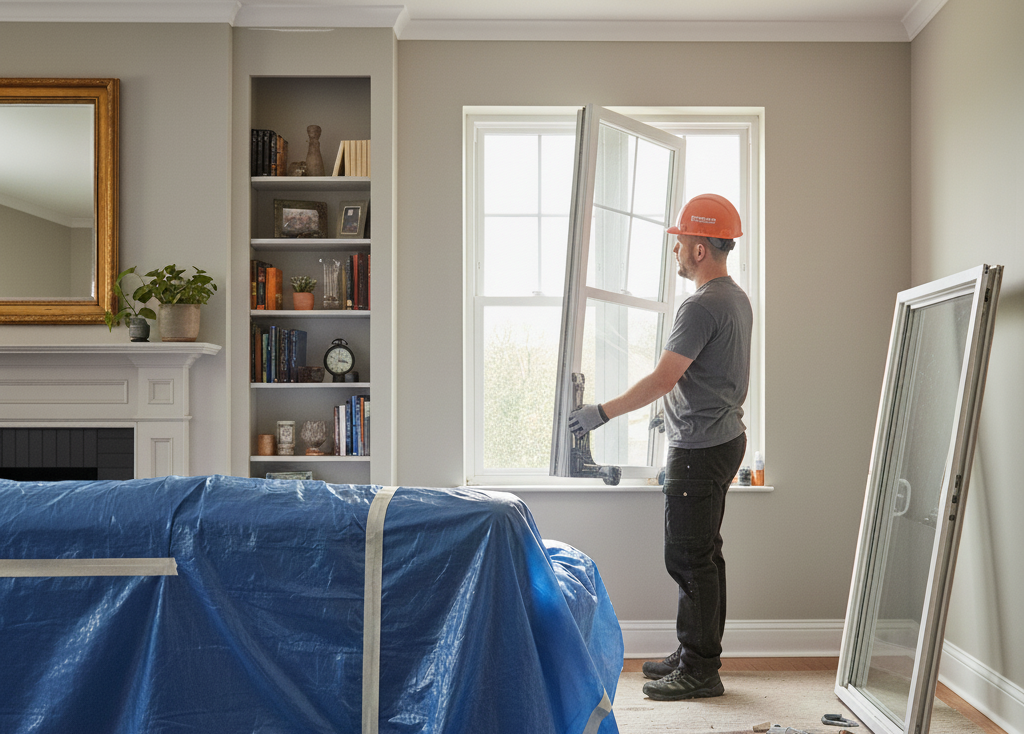
Bayview installs and seals new windows and doors within the existing opening. Our work focuses on the unit itself and the immediate preparation required to make it perform as intended.
- Removal of the existing unit in a careful, professional manner.
- Installation, levelling, insulation, and sealing of product.
- Work is done to industry standards and manufacturer instructions so warranties remain valid.
- Minor, visible issues that are directly related to the installation, when they can be corrected without additional structural work.
2. What is not covered
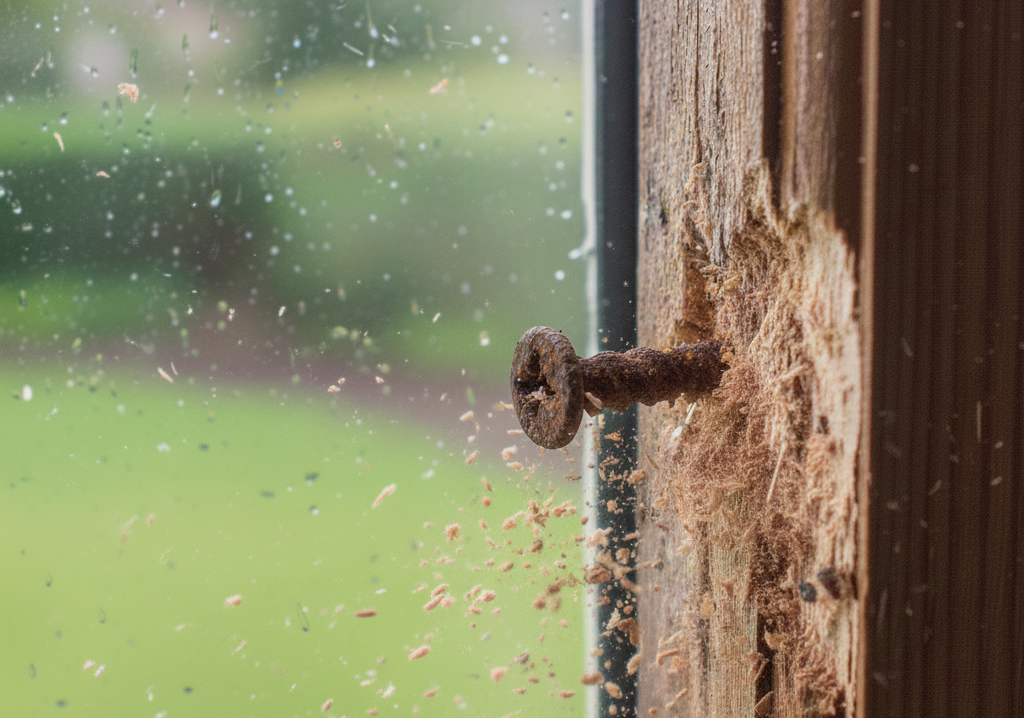
Some issues are hidden, old, or outside the scope of a replacement. These are not included in a standard installation because they require specialised repair or additional materials and labour.
- Pre-existing structural problems, such as compromised framing, rot, or inadequate support.
- Cosmetic cracking in plaster, drywall, stucco, siding or paint that can occur when removing older units.
- Major repairs to framing, sheathing, or wall structures that do not meet past or current building standards.
- Work on electrical, plumbing, or alarm systems unless specifically quoted and approved.
3. Preventive measures
Taking a few simple steps before installation reduces the chance of surprises and helps the job move more quickly.
The homeowner:
- Tell us about any known water damage, drafts, or movement around existing windows.
- Remove curtains, blinds, and nearby fragile items.
- Clear exterior access, trim plants, and move planters out of the way.
- Consider a pre-install inspection for very old or historically altered homes.
- Cover items of concern (electronics, shelves and delicates)
4. Your installation peace of mind: protecting your property and managing unexpected conditions
At Bayview, protecting your home is a top priority. Our installers take great care to work respectfully and thoughtfully in your space during both removal and installation. We use drop cloths, protective padding, floor coverings, and careful handling to help safeguard surrounding surfaces and finishes.
Even with these precautions, unforeseen issues can occasionally occur due to the home’s existing conditions, concealed structural elements, or, in rare cases, accidental contact during the installation process. Because installation involves large and heavy components, minor incidental damage may sometimes occur despite everyone’s best efforts.
Out-of-plumb or irregular openings
Many homes, especially older properties, do not have perfectly square, level, or plumb window and door openings. These conditions are often concealed until the existing units are removed. While every effort is made to achieve the best possible fit and appearance, irregular openings can affect clearances, trim lines, caulking, and overall finish.
In these situations, minor visual variances, tapered trim lines, or increased sealant coverage may be necessary to ensure proper function and weather protection. These adjustments are considered normal and are not considered installation defects.
Hardwood floors and flooring
We take every precaution and apply protective coverings throughout the work area to eliminate risk. However, due to the extreme weight and necessary manoeuvring of materials, on very rare occasions, minor, unavoidable scratches or dents to the existing hardwood and flooring may occur.
Walls and paint
Vibrations and pre-existing structural weaknesses often cause drywall seams to shift, commonly leading to cracks during window or door removal and replacement. Older paint around these openings also frequently cracks or chips.
Paintlines
Installing new trim or casings can reveal existing paint lines that are uneven, faded, or mismatched. Our installers can finish trim neatly, but we do not repaint or touch up surrounding walls unless specifically quoted.
Insulation and Vapour Barrier Issues
When the existing unit is removed, installers may uncover missing, compromised, or moisture-saturated insulation in the wall cavity. Similarly, the existing vapour barrier (or building envelope protection) may be incorrectly installed or damaged. While not immediately visible, these conditions compromise the home's energy performance and can lead to future moisture issues.
Concealed Utilities Electrical wiring
(for exterior lights, outlets, or other features) or plumbing lines may be routed too close to, or even through, the rough opening. These utilities are typically hidden behind the existing window frame and surrounding finishes. Discovering improperly routed utilities requires work to be paused immediately for safe and compliant relocation.
Exterior Siding, Stucco, or Trim Damage
The process of carefully removing the old window and its exterior trim may reveal brittle, aged, or poorly adhered exterior finishes (siding, stucco, brick moulding). Despite careful handling, minor cracking, chipping, or breakage of these surrounding exterior materials can occur, which will require specialised repairs or touch-ups to restore the weather seal and aesthetics.
Why this matters
These situations are rarely due to installer error; they are a natural consequence of working with existing materials that have aged, shifted, or were installed differently than current building standards.
How we protect you
- Use protective coverings on floors and furniture.
- Work carefully around delicate finishes.
- Communicate immediately if we notice any condition that may require attention beyond the installation scope.
- Provide guidance for next steps if cosmetic repairs or repainting are desired.
By understanding these possibilities in advance, you can plan and prepare your home to reduce surprises, and you’ll know what falls within Bayview’s scope versus what may require a separate repair or finishing service.
5. Handling discrepancies
A step‑by‑step guide
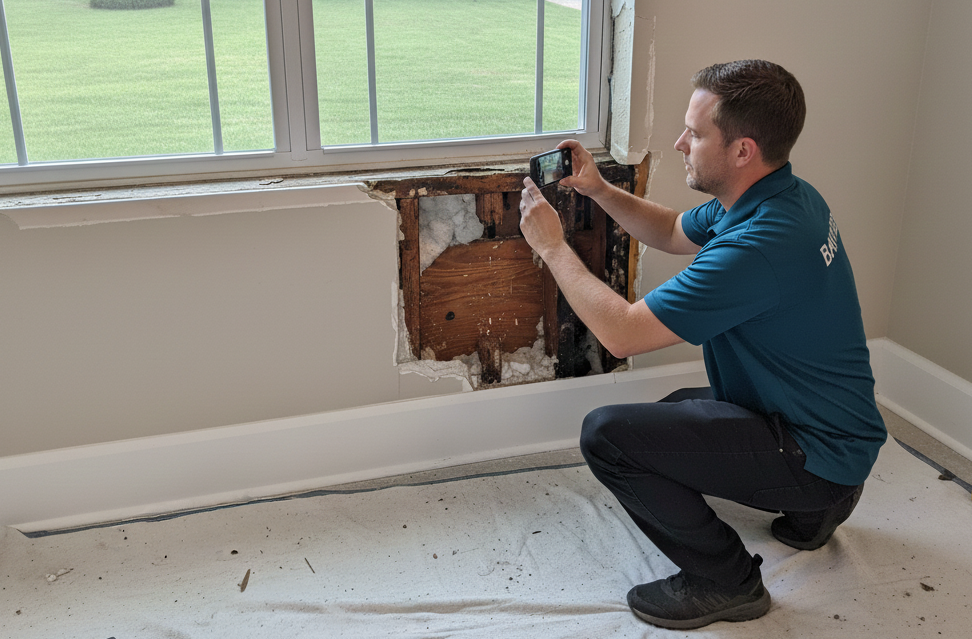
When unexpected issues or "discrepancies" come up during the installation, such as hidden structural damage, rotting framing, or cosmetic cracks, Bayview follows a clear, fair process that protects both parties.
What the installer does
Pause work
As soon as our installation team uncovers a condition that falls outside the original scope (for example, a rotted sill or structural weakness), work is temporarily stopped.
Document the issue
The team photographs and documents the problem thoroughly. This ensures there is a clear record of what was found, where, and how severe it is.
Report to the client
We explain the condition to you (the homeowner), walking you through what the issue is, why it matters, and what potential risks or costs are involved.
Prepare a separate quote
If the problem requires remediation, such as repair of framing, drywall, or other hidden damage, Bayview provides a detailed, written estimate for that additional work.
Resume work only with approval
We only continue with the remediation or installation once you (the client) give written approval of the additional scope and cost.
What the client (homeowner) does
Review the documentation
When our team stops work due to a discrepancy, you will receive the documentation (photos + description) so you can clearly understand the condition.
Consider the options
You evaluate the separate quote we’ve provided for the extra work. You may choose to:
Approve the additional work (in which case Bayview proceeds), or Decline or defer the work (in which case we might install the window in a more limited or temporary way, or plan for follow‑up work).
Provide written approval
To move forward with the corrective work or to resume full installation, you must agree in writing to the revised scope and cost. This ensures everyone is aligned.
Participate in the final walkthrough
Once the work is completed, we do a joint inspection of the installation and any remediation, so you can confirm that everything was done to your satisfaction.
This approach ensures you remain informed and in control, while our team can address unexpected issues professionally without compromising quality or safety.
6. Conclusion
Window and door replacement is a high-value upgrade. Most projects go smoothly, and when surprises arise, we handle them transparently and professionally. With simple preparation and clear communication, your installation will be efficient and reliable.
Related articles


Contact us
Have questions about your project? Contact your Bayview sales consultant before installation day for a quick checklist and tailored advice.

Categories:

Category Posts:
per window/door opening
for Windows and Doors