Insights > Article > Posted: 2025-Dec-05, Updated: 2025-Dec-10
Interior Trim Options for Windows and Doors in Ottawa Homes
In this article:
- Completing a space
- Why interior trim matters
- Defining your home’s character
- Trim styles: from classic to contemporary
- An overlooked opportunity
- How Bayview installs trim
- Common interior window casing options
- Material matters: MDF vs. solid wood trim
- Bayview’s custom finishing: Our process
- Frequently asked questions
- Related articles
- Summary
- Request a quote
Windows and doors do more than open to the world; they complete a space
Windows and doors are critical for comfort, performance, and energy efficiency, but what truly makes them feel like part of your home is how they’re finished. The casing (the decorative trim that frames the opening) around them isn’t just decoration: it hides gaps, improves insulation, enhances visual appeal, and connects the architectural elements of your interior into a cohesive whole, making each opening feel intentional and complete.
At Bayview Windows, we know premium installation isn’t just about great products; it’s about the details. That’s why we offer not only high-quality windows and doors but also tailored trim solutions that elevate your home’s character while ensuring a polished, professional finish.
Why interior trim matters
Interior casing does much more than outline a window or door. It:
Interior trim:
- Enhances architectural style (modern, traditional, craftsman, etc.)
- Creates visual consistency throughout the home
- Covers installation gaps and gives your new windows a clean, finished look
- Improves perceived quality of the renovation
- Helps older homes with non-plumb walls look more aligned and intentional
For many homeowners, upgrading the trim is one of the simplest, most effective ways to refresh a room.
How custom trim defines your home’s character
While modern, production-grade trim prioritises cost-efficiency and simple installation, it often results in flat, characterless details. Customised trim is not simply an upgrade; it is a fundamental architectural enhancement that speaks to quality and craftsmanship:
1. Adds Visual Weight
Standard trim often looks undersized. Custom widths and profiles instantly give windows and doors the visual weight required to properly anchor and balance a room's overall scale, providing a sense of permanence and grandeur.
2. Mastering Light and Shadow
Intricate, layered profiles are specifically designed to catch and sculpt natural light. This transforms a flat opening into a rich, three-dimensional architectural feature, creating captivating shadow lines that shift throughout the day.
3. Defining Historical Authenticity
Matching trim profiles to the exact period or architectural style of your home is the fastest way to achieve historical integrity. This attention to detail instantly elevates its perceived and market value by linking your home to classic design traditions.
Trim styles: from classic to contemporary
Before visiting a supplier, understanding a few classic styles can help you find the perfect match for your taste:
| Style | Description | Ideal For |
|---|---|---|
| Colonial/Classic | Often features a curved edge called an ogee or s-curve. Elegant, balanced, and timeless. | Traditional homes, formal living spaces. |
| Craftsman | Distinguished by simplicity, featuring thick, flat trim, often paired with a substantial header. | Bungalows, Arts and Crafts homes. |
| Federal/Georgian | Characterised by intricate details, often built up with multiple layers of moulding. | Heritage homes, grand rooms. |

Tip: Many Ottawa homes have older or heritage styles. If your home has existing moulding, consider custom profiles casings (see below) that complement the original design. This preserves character while updating your windows or doors.
Often an overlooked opportunity,
custom trim options
For homeowners wanting to elevate the look and feel of their space, window and door trim is one of the most impactful and often overlooked finishing details. It adds depth, character, and a sense of architectural permanence, turning a simple opening into a defined design feature.
Because every home has its own style, the right casing helps your new windows or doors blend seamlessly into your interior, creating a polished, cohesive look that feels intentional and complete. When planning your project, be sure to ask your Bayview Windows sales consultant about our interior trim framing options. This small detail can make a remarkable difference.
How Bayview installs trim
Our trim installation is done the right way — with attention to detail.
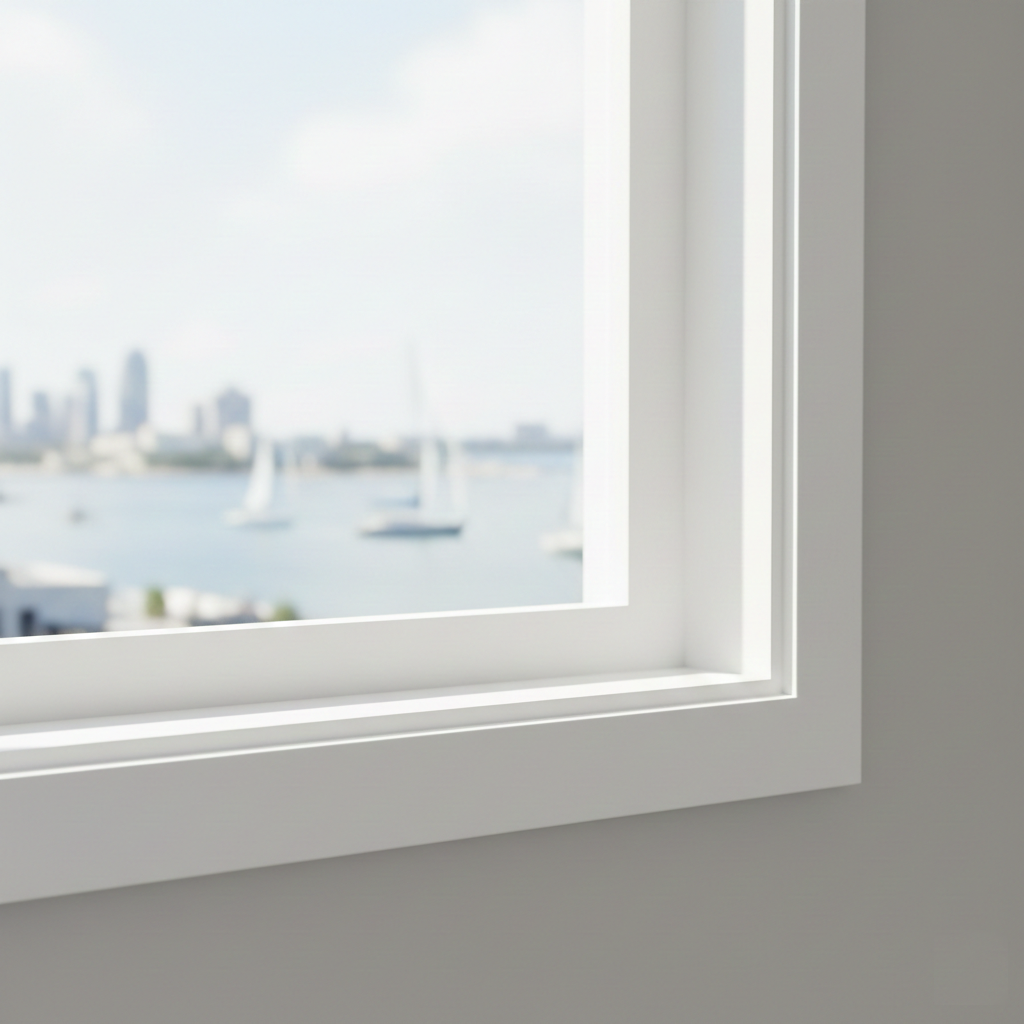
Whether you choose our standard sleek 2.75-inch or 4.0-inch flat Medium-Density Fiberboard (MDF trim) or a custom trim solution, every trim install includes:
- Proper shimming to accommodate older, non-plumb walls
- Caulking and sealing for a smooth, seamless finish
- Nail holes filled with appropriate filler
- Factory-sanded trim materials
- Paint & stain-ready surfaces
Note: MDF filler may shrink slightly as it cures. Homeowners may need to apply a second quick fill and light sanding before painting for a perfectly smooth finish.
Note: Future material changes
We continuously monitor the construction market to ensure we provide the best value and quality. While MDF is our standard today, Bayview Windows reserves the right to substitute the standard trim material (e.g., transitioning to primed pine or similar) should the market costs for wood and millwork fluctuate significantly. Any change would be communicated clearly to the client and would be chosen to maintain our commitment to quality and value.
Common interior window casing styles for Ottawa homes
When selecting your interior finish, you can choose from two levels of detailing: Standard Window Trim Installation, which is included with your installation, or Optional Custom Trim and Millwork Installation that adds unique architectural character.
Standard Window Casing: Picture Frame vs. Profiled
For most projects, homeowners choose between two widely accepted trim applications: the contemporary Picture Frame Casing and the classic Profiled Casing. These two options represent the standard offering, reserved for projects that don't require the advanced techniques of custom wood milling.
Since neither style demands advanced craftsmanship, the installation effort and, consequently, the labour cost are identical.
The primary cost variable is the material: Profiled Casing requires thicker, more complex moulding, which typically makes its material cost higher than the simple, flat boards used for the Picture Frame Casing. Also, there is a different pricing structure for solid woods, finger-joint pine and Medium Density Fibre (MDF). This material price differential is always clearly itemised in your quote, ensuring you have a clear understanding of the investment.
1. Picture Frame Casing - (Modern & Craftsman)

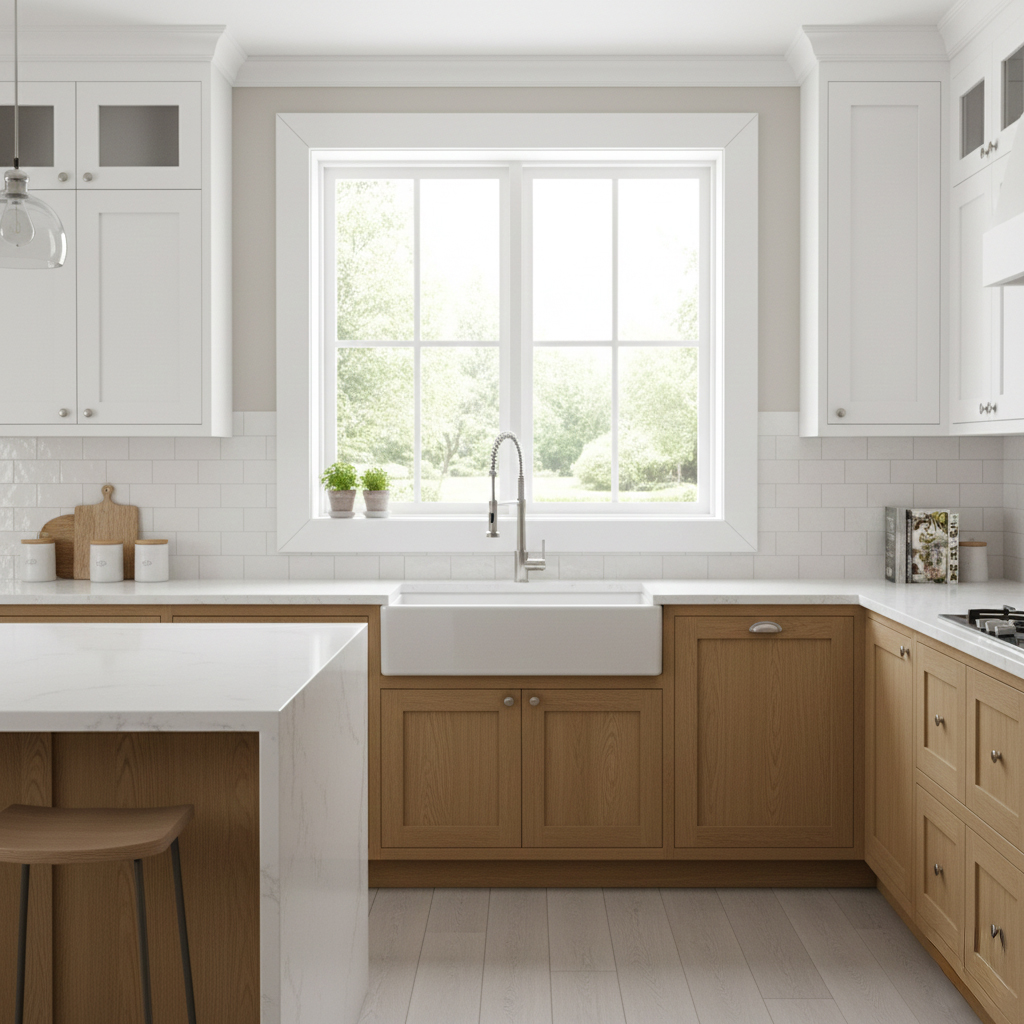
Picture frame casing features a clean, minimalist design where a single flat board frames the window, with all four corners cut at a 45-degree angle (mitred) for a seamless look. Often chosen for modern or Craftsman-style homes, this style emphasises simplicity and straight lines while providing a crisp, finished edge.
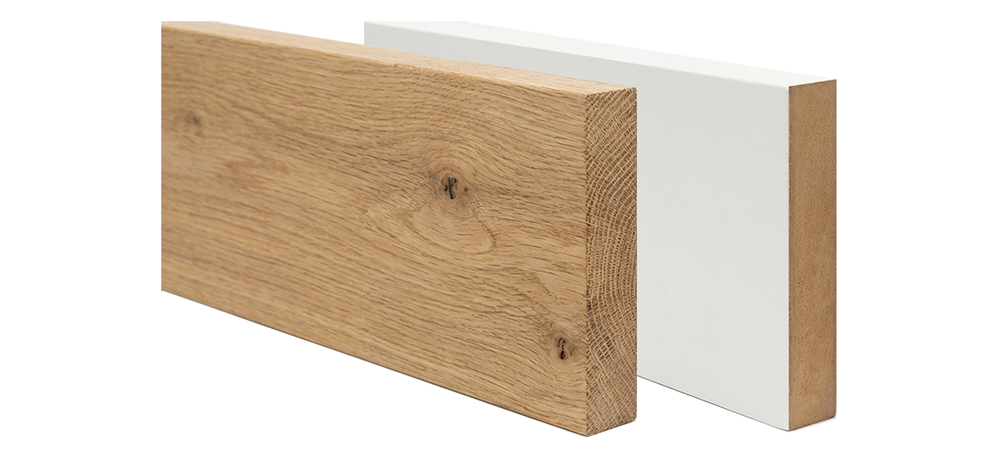
Bayview’s Standard Trim: Cost-Effective & Modern
Our house standard is 2¾" and 4" MDF casing. Chosen for its stability and smooth surface, MDF provides a paint-ready finish that is highly practical and cost-effective, perfectly complementing contemporary design styles.
We also offer this trim in solid wood for a real wood texture and staining for clients desiring a premium material upgrade.
2. Profiled Casing (Traditional & Colonial)

Profiled casing is a single trim piece with a curved, moulded, or shaped edge, designed to add classic elegance to windows and doors. Often used in traditional or Colonial-style homes, it enhances architectural character, complements existing baseboards or crown moulding, and provides a polished, finished look.
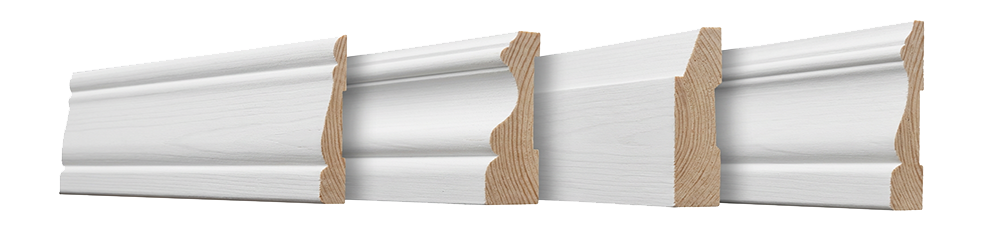
Available in a variety of profiles and widths, profiled casing works beautifully with both painted and stained finishes, giving your interior a timeless, sophisticated appeal. Typically available in solid stainable wood, solid primed wood or primed MDF.
Custom trim installation
For homeowners wanting a more tailored appearance, Bayview Windows offers a full range of custom trim styles and solutions.
- Match existing baseboards, crown moulding, or heritage profiles
- Modernise your home with clean, minimal lines
- Recreate the look of wider, more substantial casings
- Introduce wood tones for warmth or character
Achieving these designs demands advanced carpentry skills, requiring intricate cutting and complex layering to ensure precise execution. Consequently, the unparalleled elegance of these custom applications is subject to an additional investment, reflected in both the extended labour time and the specialised material costs.
3. Apron and Stool Casing (Traditional Sill)
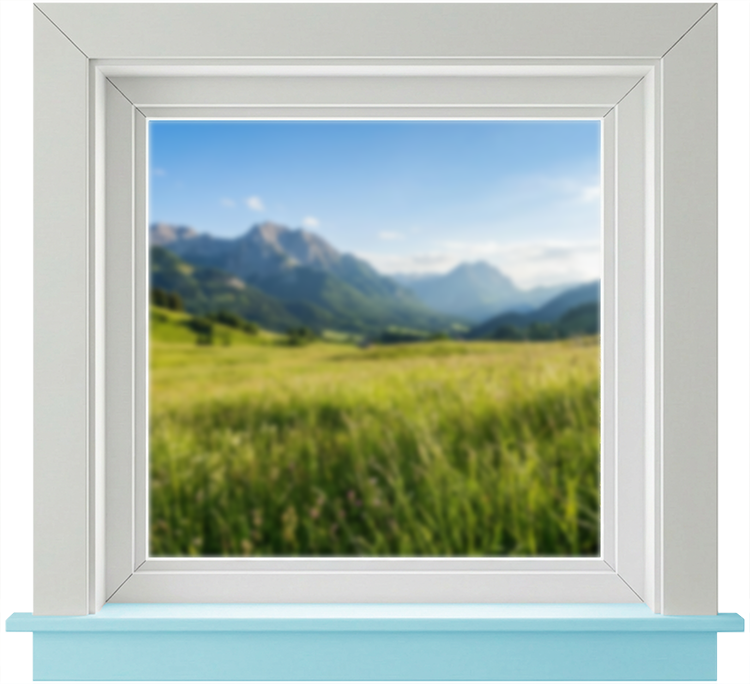
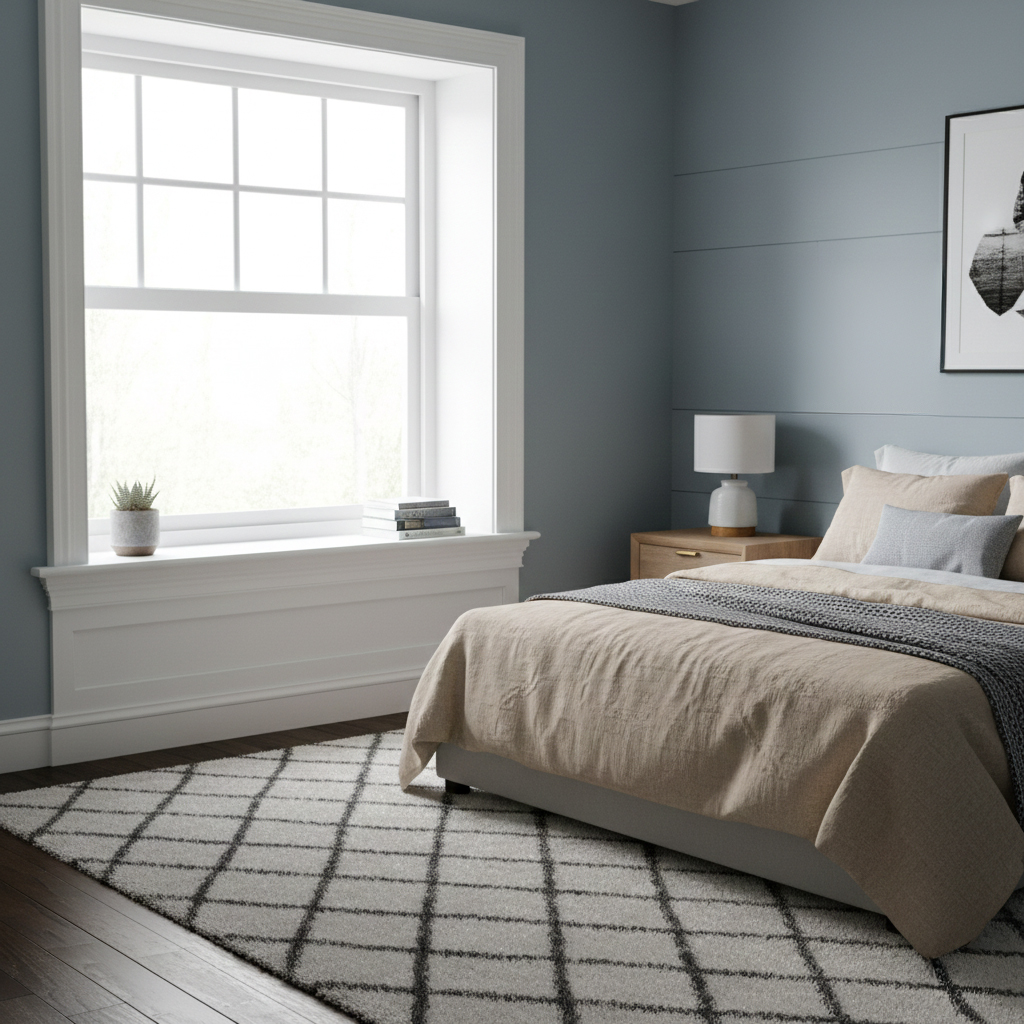
Apron and stool casing features a decorative ledge (stool) at the bottom of the window, supported by an apron underneath. The side casings stop at the stool, creating a functional and visually appealing sill.
This traditional style adds both character and practicality, offering a small shelf while completing the frame with a balanced, finished look that complements classic interior designs. Typically available in stainable, or paintable, solid wood, or combined wood (stool) and MDF (Apron).
4. Back Band Casing (Built-Up/Layered)
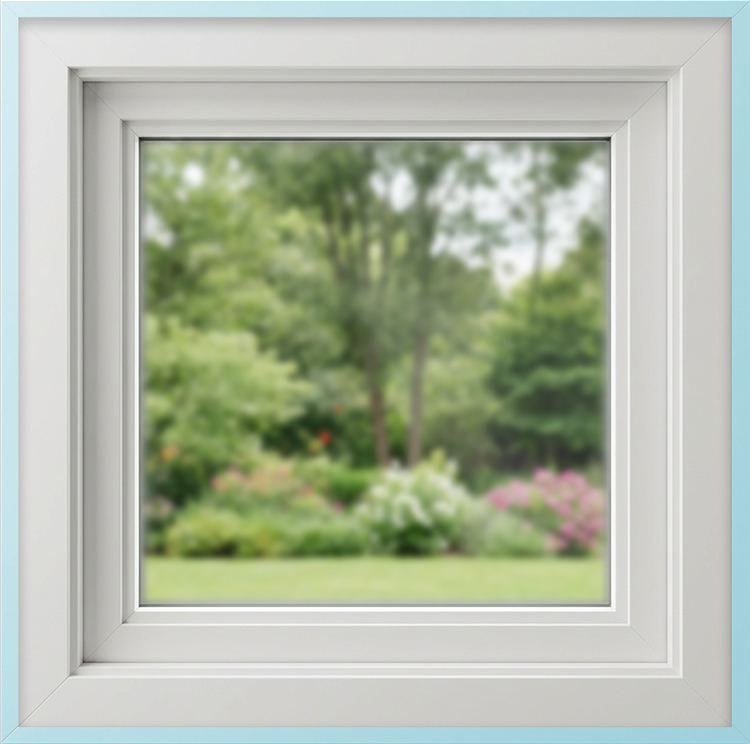
Back band casing adds a secondary, smaller profile along the outer edge of a main casing, creating a wider, deeper, and more substantial appearance. This “built-up” style adds visual weight and architectural interest, making windows and doors feel more custom and refined.
It works well with both traditional and modern designs, and can be combined with standard or profiled trim to enhance depth and sophistication in any room. Typically available in solid stainable wood, solid primed wood or primed MDF.
5. Plinth Block (Block Casing)
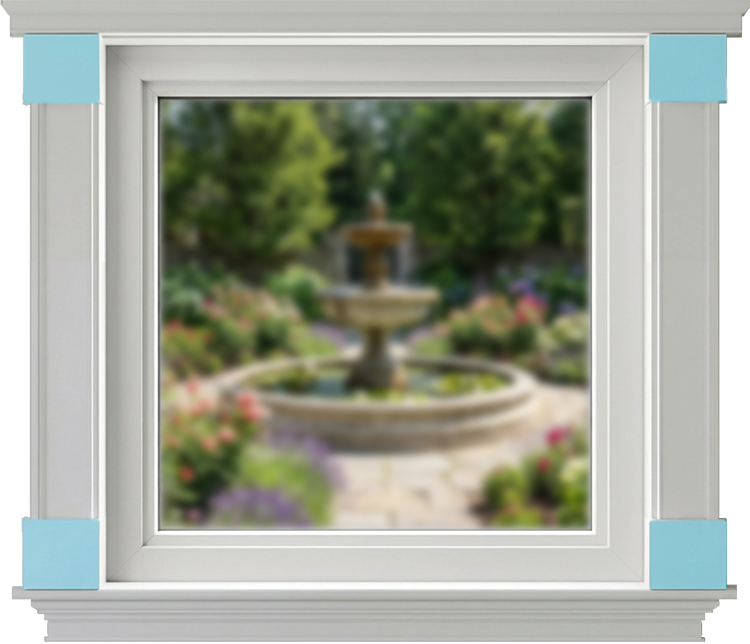
Plinth blocks are thick, square blocks installed at the bottom (sometimes top as well) corners of a window or door frame, providing a smooth visual transition and structural base where the vertical casing meets the baseboard. In windows, they are typically paired with a traditional header and sill to create a balanced, classic look.
Plinth blocks add subtle architectural detail and help elevate the overall finish, making the casing appear intentional and well-crafted.
6. Architrave/Crosshead/Header (Top Trim)
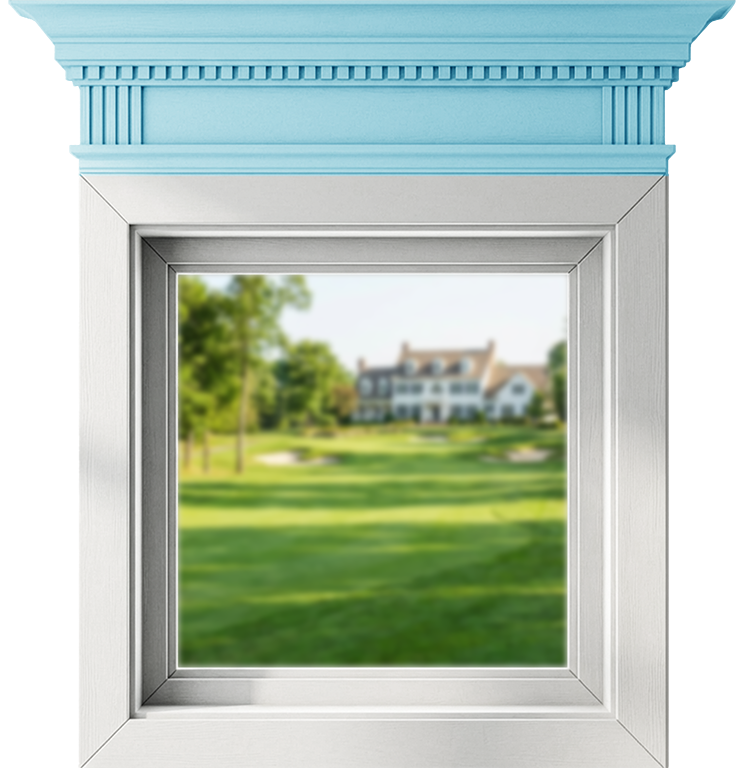
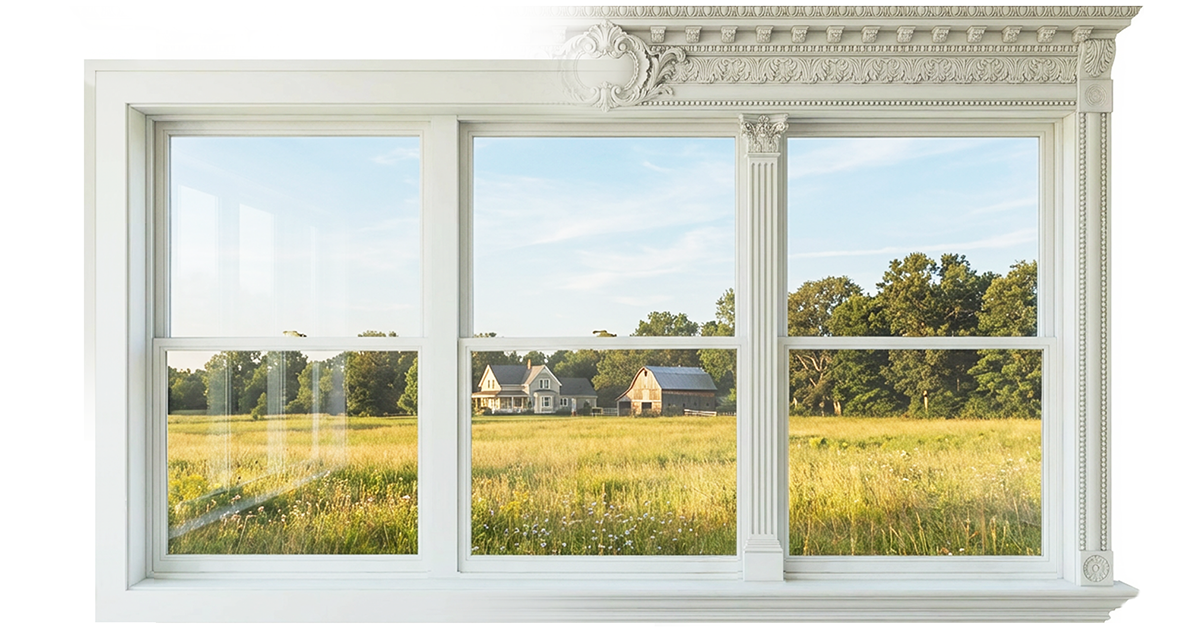
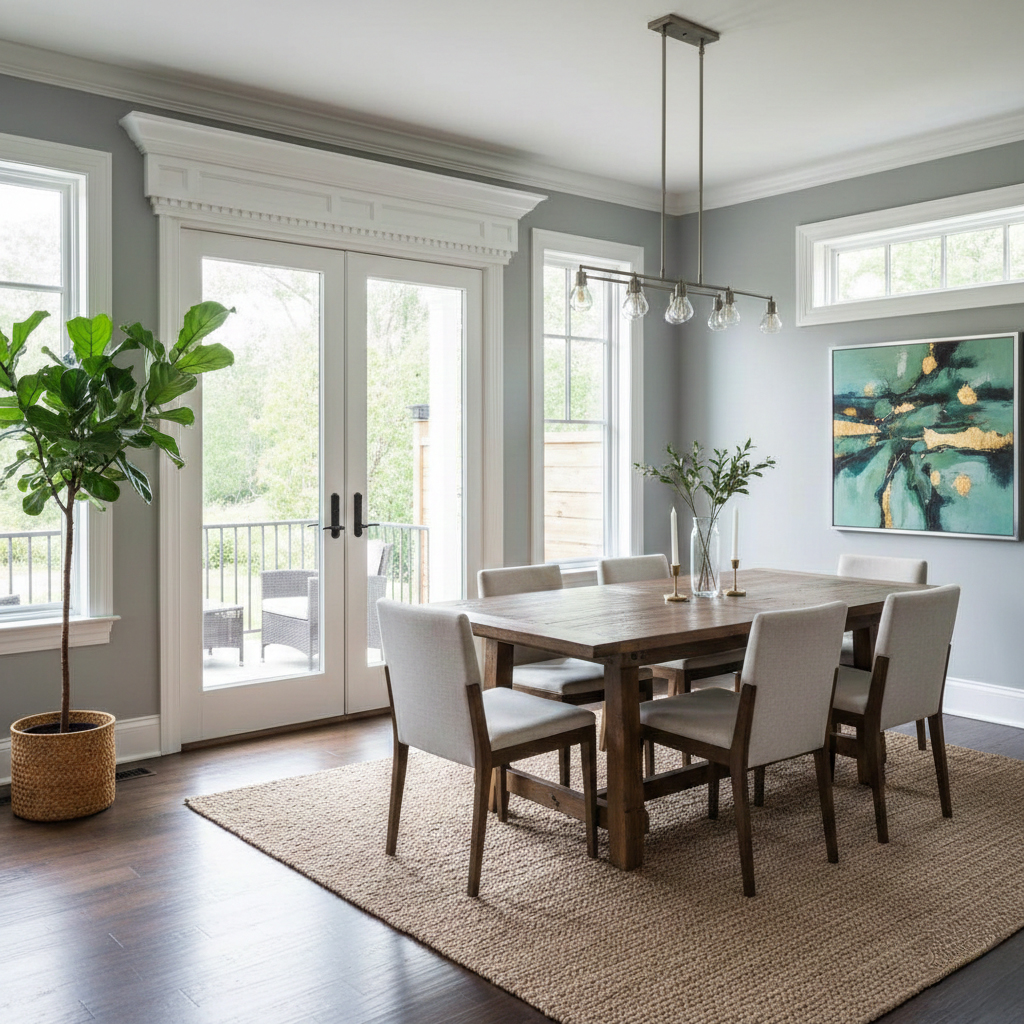
A window or door header is a substantial horizontal trim piece; it can be simple or complex, as shown above. It sits above window or door, providing a strong visual cap to the frame. When designed with decorative or built-up elements, it can function as a formal crown or pediment, adding architectural weight and presence to the window.
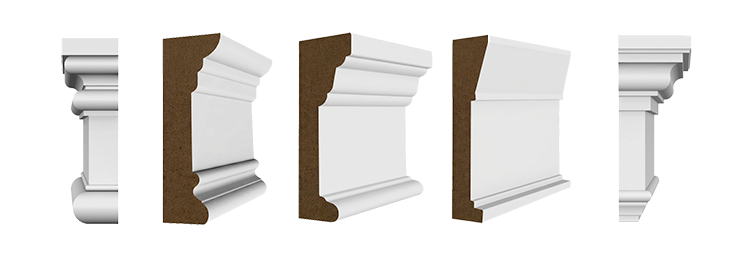
A header trim enhances the overall balance and elegance of a room, making windows and doors appear more finished and thoughtfully detailed. Headers are available in several materials, including solid wood, MDF,and high-density polyurethane.
Please note: Bayview Windows does not manufacture complex architraves or headers; these are specialty items sourced from other dedicated millwork suppliers. Simple headers are available at stores such as The Home Depot, Rona, and Wayfair. Bayview is equipped to install these trim pieces as part of your window replacement or renovation project.
The freedom to precisely mix and match these tailored elements means we are not just installing trim; we are designing a signature architectural fingerprint for your home. This capability is the true measure of your Custom Finish Advantage, ensuring the final product is an investment in personalised elegance and lasting value.
Tip: For architraves and complex aprons, it's a good idea to bring photos to specialty shops, measurements (we can help you determine), or even a piece of the existing trim if you are trying to match a specific style.
Standard vs. MDF Trim: Choosing the right material
The material you choose will impact the final look, durability, and cost of your custom trim.
| Feature | Medium-Density Fibreboard (MDF) | Solid Wood (Pine, Poplar, etc.) |
|---|---|---|
| Cost | Lower. Most budget-friendly option. | Higher. Reflects the cost of natural lumber. |
| Finish | Best for Painting. Extremely smooth, resulting in a flawless, professional paint finish. | Best for Staining. Natural grain patterns are visible. |
| Stability | Very Stable. Does not typically warp or twist. | Reactive. It can slightly expand or contract with humidity changes. |
Tip: Ottawa homes experience wide humidity swings between summer and winter. MDF trim is great for painted interiors, but in bathrooms, basements, or humid spaces, consider moisture-resistant alternatives or proper sealing to prevent swelling or warping.
Alternatives include: Primed Pine or Poplar with proper sealing, PVC Trim (Cellular PVC), Fibreboard/Composite trim (e.g., TruExterior, Fibrex-type products), Engineered Polymer or Polystyrene Trim.
Bayview’s custom finishing: Our process
Step 1: You Choose the trim
Creating custom trim with Bayview is simple, just choose your style, and we handle the rest with expert precision:
- Decide if you want to upgrade your trim.
- Share your ideas, sketches, or photos for reference on more complicated designs.
- Visit our speciality partner, Classic Wood Moulding, to explore profiles, headers, and other window and trim styles and materials.
- Select the specific profile and material that fits your vision.
- Once your choice is made, we handle the rest, ensuring a seamless transition to installation.
Step 2: Bayview’s Professional Installation
Our skilled installers handle your chosen millwork with meticulous care and precision:
- Quote Request: We calculate the exact material quantity (including allowance for waste) and provide a detailed quote separating materials and labour.
- Order Placement: Once your windows or doors are ready, we place the order and manage delivery from the supplier.
- Precision Installation: Perfect mitring, seamless layering, and flawless integration with walls and window frames ensure a clean, professional finish.
- Joint Integrity: Using glue, precise nailing, and wood filler, we guarantee stability and durability for your custom millwork.
The Result: Your Bayview Windows installation is enhanced with custom architectural trim that elevates the style and visual impact of your home.
Frequently asked questions
- Q1: What is included in Bayview Windows' standard trim installation?
- Our standard installation includes 2.75-inch flat primed MDF trim (sometimes wider as required), which is included in your quote.
- Q2: Does Bayview Windows add a markup to the custom trim material cost?
- No. We will spec and order enough wood for the project, make adjustments to the material cost upgrade and list it as a separate line item on the quote.
- Q3: How much more expensive is custom trim installation compared to the standard trim?
- The additional cost is for the specialised labour/materials time required. We will them as separate line items on the quote.
- Q4: Who is responsible for painting or staining the new custom trim?
- The finish work (painting or staining) is the responsibility of the homeowner or your painter. When we leave, the trim is typically ready for finishing.
- Q5: Does Bayview take care of disposing of the old trim and millwork off-cuts?
- We will remove and responsibly dispose of all old trim.
- Q6: Do I have to replace my interior trim when installing new windows?
- With full-frame installations, yes. New trim ensures a proper seal and a clean finish.
- Q7: Can you match my existing trim exactly?
- In most cases, yes. Show us your current trim, and we'll do our best to find a match.
- Q8: Is wider trim a good idea?
- Wider casing creates a more premium, architectural look and can help make small windows feel larger.
- Q9: Can trim hide uneven walls?
- Absolutely, and older Ottawa homes benefit from this. Skilled installation ensures gaps and irregularities are concealed.
Related articles


Ready to Upgrade Your Windows With Beautiful Interior Trim?
Trim is the perfect finishing touch — and choosing the right style can dramatically enhance your home’s interior. Whether you want clean modern lines or a classic cottage feel, our consultants can help guide you through all your options.
Contact Bayview Windows today to explore standard and custom trim solutions for your next project.

Categories:

Category Posts:
per window/door opening
for Windows and Doors