Insights > Article > Posted: 2026-Sep-07, Updated: 2026-Sep-10
Phased Window Replacement: The Smartest Strategy to Replace all your Windows Across 2 to 3 Yrs.

Phased window replacement is the process of replacing 15–20 home windows over a 2- to 3-year timeline to manage out-of-pocket costs and minimise disruption. Priority should be given to active structural leaks and windward elevations first, followed by bedrooms, and concluding with utility areas.
You probably look at those windows, sigh and say to yourself, "at some point, I'm going to have to think about replacing these damn windows". And then you think of all the recurring problems you keep having.
- Permanent milky smears trapped between panes, signalling failed seals, most noticeably across your colder north-facing elevations.
- Thick frost or ice crusting along inside lower corners and frames during a sub-zero cold snap.
- Puddled water on interior sills or dark, telltale water stains bleeding into the drywall and trim below.
- Blinds fluttering on windy nights, even when the sash is latched tightly shut.
- A distinct drop in room temperature and a subtle chill radiating outward as you walk past the glass.
- Spongy wood sills and trim, accompanied by bubbling, flaking, or peeling paint from chronic condensation.
And if you've had enough, and you're tired of thinking about it, you'll grab a clipboard, walk the perimeter of your home, and count the windows you’ll probably want to repair or replace (you count 20), and then you see the sticky, drooping downstairs sliding patio door. "Sigh".
Discouraged and anxious, you reach out to a local window installer for a quote, and as you do so, you say to yourself, "This is going to be expensive. I've got better things to spend my money on".
After touring your home, discussing concerns, and options with a window consultant, you feel good about your decision to replace your windows.
A week later, an email quote arrives in your inbox. As you expected, thousands of dollars right there in black and white: you request a quote from another company, and then another, but the cost barely changes. Exhausted, you close the final PDF quote and decide to put the windows off for another season, committing yourself to another winter of chills, condensation puddles, and higher energy bills.
Unfortunately, you'll think about those windows all winter, and you know the financial hit is coming; it hangs over your head like a wet blanket dripping in your hair. Make life a little easier on yourself; you don't need to replace every window in the house at once. In fact, replacing 15 to 20 windows over two or three years (a phased approach) is often the smarter play. And you'll sleep easier, knowing you have an affordable solution in place that will eventually remedy all your window issues.
Why phasing out the work makes practical sense

Finances are always an obvious driver, but on the day-to-day side, living through an all-in-one tear-out can be chaotic. Ripping out multiple frames throughout the home means your entire main floor and every bedroom may be an active worksite - for several days. Furniture has to be moved and protected, protective carpets have to be laid down, old and new windows are in constant motion, pets and children have to be removed from the active environment, and the air conditioner/furnace runs non-stop trying to level off temperatures.
Phasing the work in stages keeps the mess contained to one floor or one area of the house for a much shorter period. Taking on five or six openings a year lets you pay out of pocket or lean on seasonal cash flow instead of locking into consumer financing at increasingly ugly interest rates.
- You Control the Cash Flow
- Less Household Chaos
- Taking Advantage of Rebates & Tax Years
Keep in mind, though, this approach carries a risk: many programs operate on fixed funding budgets, and once that money runs out, the program may close for good. Be sure to check program closing dates to ensure eligibility.
Doing it all at once?
Timing and financing can be major motivators. If you are leveraging low- or zero-interest financing, such as the federal Canada Greener Homes Loan (up to $40,000 interest-free) or the Better Homes Ottawa Loan Program, doing the entire home at once often makes the most sense. These loans require pre- and post-retrofit EnerGuide audits and are typically structured around a single major project scope, allowing you to lock in today’s material prices and installation rates across all openings.
However, if you are relying on out-of-pocket cash flow or trying to coordinate with available provincial utility rebates (such as Enbridge HER), remember that programs have overall per-opening and per-home caps, as well as strict audit deadlines. Spreading work over several years means keeping an eye on program expiry dates and potential re-audit fees. Always check program timelines beforehand so your phased plan doesn't leave money on the table.
Prioritising a phased approach
When prioritising the work, think about the areas of your home that are the most important to you in terms of comfort, wind exposure, hidden structural issues, and water-damaged areas resulting from failing window integrity.
Year 1: Attack Active Failures and Windward Walls
Any window with soft wood around the frame, peeling paint on the drywall below the sill, or water tracking behind the brickmould needs to go first. This may require repairing wall framing rotted out by slow leaks, which could quickly outpace the cost of the window itself.
Next are the north and northwest walls. Ottawa's winter gusts beat relentlessly against those exposures, meaning tight, new, energy-efficient windows will shave an immediate chunk off your January gas bill.
Tackle the room/rooms where you sit still the longest, like a kitchen table or a family room couch.
Bathrooms, by their nature, are high-humidity areas. There is significant ice buildup on their windows; it might be best to include them. If not, push them to the next year.
Year 2: Attack Second-Storey Bedrooms and Direct Sun
Older upstairs sliders are notoriously leaky, leaving bedrooms freezing near the floor in February and heat suffocating by mid-July. Consider upgrading these to casement or awning windows; they will reduce neighbourhood street noise significantly and keep bedroom temperatures from swinging wildly overnight.
If your house faces full south, this is also the year to swap in high-performance solar coatings to stop the afternoon sun from baking the living room and fading your hardwood floors.
Year 3: Attack the rest of the house
Leave protected basements, utility rooms, and laundry rooms for the end; they aren't impacting your everyday comfort. This is also the ideal time to budget for that large sliding patio door.
Good sliding systems carry substantial weight, specialised installation requirements, and their own dedicated chunk of the budget, making them a natural candidate to close out the final year.
Avoiding the "Frankenhouse"
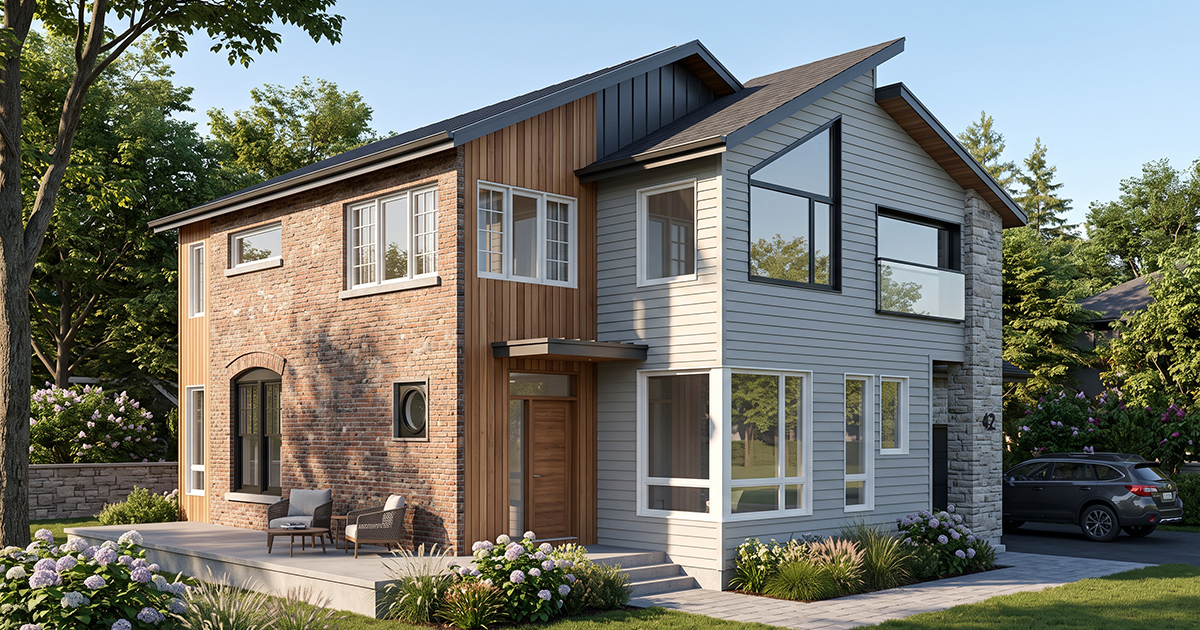
Nothing ruins curb appeal faster than a home that looks like a visual timeline of changing window trends. When you spread a project across three years, you risk ending up with subtle mismatches: vinyl colours that don't quite match, exterior capping bent differently, or differing trim profiles that may leave an upper floor looking completely detached from the ground floor.
To seamlessly pull off a phased approach, treat the multi-year plan as a single project:
1. Lock into one manufacturer and product line
Settle on a single reputable window manufacturer and an exact product line during Year 1, confirming with your contractor that the profile is a staple unlikely to be retired anytime soon. Record the specific model codes, vinyl formulations, and interior jamb materials directly in your contract notes.
2. Standardise exterior aluminium capping
Aluminium trim capping is bent on-site using a portable brake, meaning different installers can produce noticeably different bend profiles, reveal widths, and hem lines. Have your installer document the exact bending measurements, exterior caulking colour code, and brickmould profile specs in your file so subsequent crews match the original work precisely.
3. Specify glass coatings and grid profiles upfront
Low-E coatings have evolved, and different tint levels or reflective sheens can make Year 1 glass look slightly green while Year 3 looks clear. Ensure your installer orders the identical glass package, spacer bar colour, and internal grill design across every phase, especially for windows sharing the same elevation.
4. Partner with an established local installer
Smaller outfits come and go, taking your job records with them. Choose an established installation firm with dedicated project tracking, so when you call them back twenty-four months later for Phase 2, they can pull up your exact order history, finish specifications, and past installation notes in seconds.
Current programs (at time of article)
Better Homes Ottawa Loan Program (BHOLP) – City of Ottawa
Official City of Ottawa page covering loan eligibility, current fixed interest rates, repayment through property taxes, and the list of eligible building envelope improvements. You can also explore local retrofit tools at the Better Homes Ottawa Program Portal.
Save on Energy – Ontario Home Energy Choices & Retrofits
The provincial landing page outlining Ontario's coordinated retrofit framework (including the Save on Energy Home Renovation Savings Program delivered alongside Enbridge Gas), covering window/door rough opening rebates and home energy assessments.
Enbridge Gas – Home Energy Conservation & Rebates
Enbridge's official residential rebate hub for natural gas customers, tracking active utility incentives for insulation, windows, doors, and heating equipment.
Canada Greener Homes Loan Portal (closed to new applicants)
The official application and login portal managed by CMHC/NRCan for the interest-free federal loan ($40,000 max over 10 years). Check here for applicant login, active status announcements, and loan conditions.
Related articles




Ready to map out your multi-year plan?
Replacing 15+ windows isn’t a weekend errand—it’s an investment in your home’s envelope that should protect you for the next thirty years. Spreading the project across two or three years gives you the best of both worlds: immediate comfort where you need it most, without the financial stress of doing it all in one shot.
At Bayview Windows, we walk homeowners through whole-home master plans every week. We'll inspect your home, help you rank your openings by urgency, and lay out an honest, phase-by-phase schedule that fits your life and your budget.
Contact our team today to schedule your in-home consultation and build your customised phased replacement plan.

Categories:

Category Posts:
A Step-by-Step Guide