Insights > Article > Posted: 2025-Aug-21, Updated: 2026-Mar-01
Sliding Patio Door Safety Glass: Beyond Basic Home Security
In this article:
- Why your patio door is a unique safety vulnerability
- Understanding your options: tempered vs. laminated glass
- Pros of safety glass in sliding patio doors
- Cons of safety glass in sliding patio doors
- Tempered vs. laminated: which is right for your home?
- Key benefits of upgrading your patio door glass
- Conclusion: Professional installation matters
- Related articles
- Request a quote
Why your patio door is a unique safety vulnerability
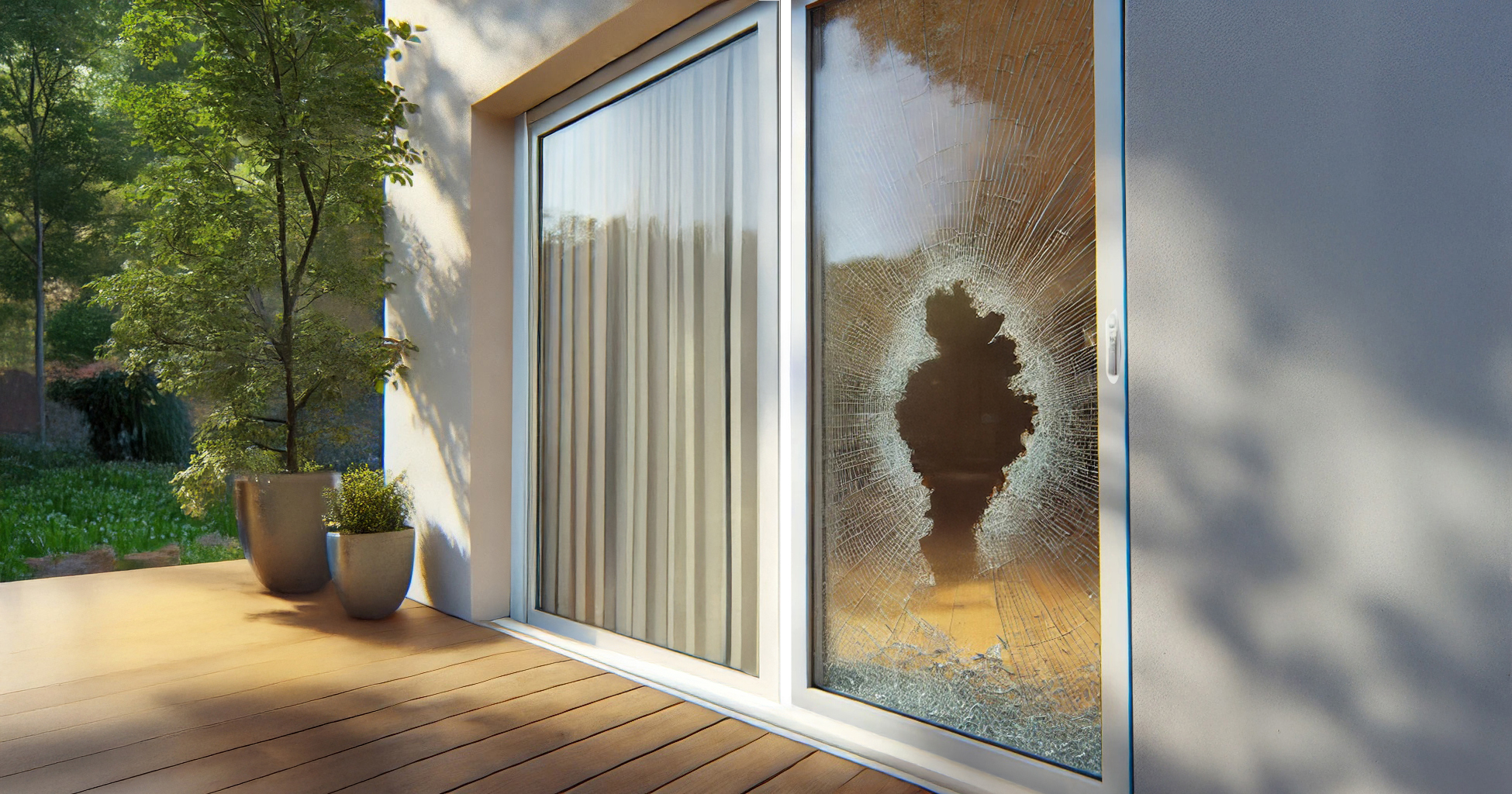
As the largest expanse of glass in the modern home, a sliding patio door represents a unique structural and security vulnerability. Beyond the sheer surface area, these doors are subject to constant mechanical stress from daily operation and thermal expansion, making standard glass a significant liability.
When an impact occurs, whether from a stray backyard ball, a severe storm, or a forced entry attempt, the failure of standard glass isn't just a breakage; it is a total breach of your home’s envelope. By moving beyond basic panes to engineered safety glass, you address this vulnerability on three critical fronts:
Physical Safety
Eliminating the "dagger-like" shards of annealed glass that cause life-threatening injuries in high-traffic transition areas.
Security
Transforming an easy "smash-and-grab" target into a formidable barrier that requires significant time and noise to penetrate.
Resilience
Ensuring the door can withstand the physical rigours of Ottawa’s extreme temperature swings without compromising its structural integrity.
Understanding your options: tempered vs. laminated glass
To mitigate these risks, modern sliding doors utilise two primary types of safety glass. While both meet basic building codes, they offer different levels of protection.
Tempered Glass: The Standard for Strength

Tempered glass is the most common choice for patio doors. It undergoes a specialised heat-treating process that makes it approximately four to five times stronger than standard glass.
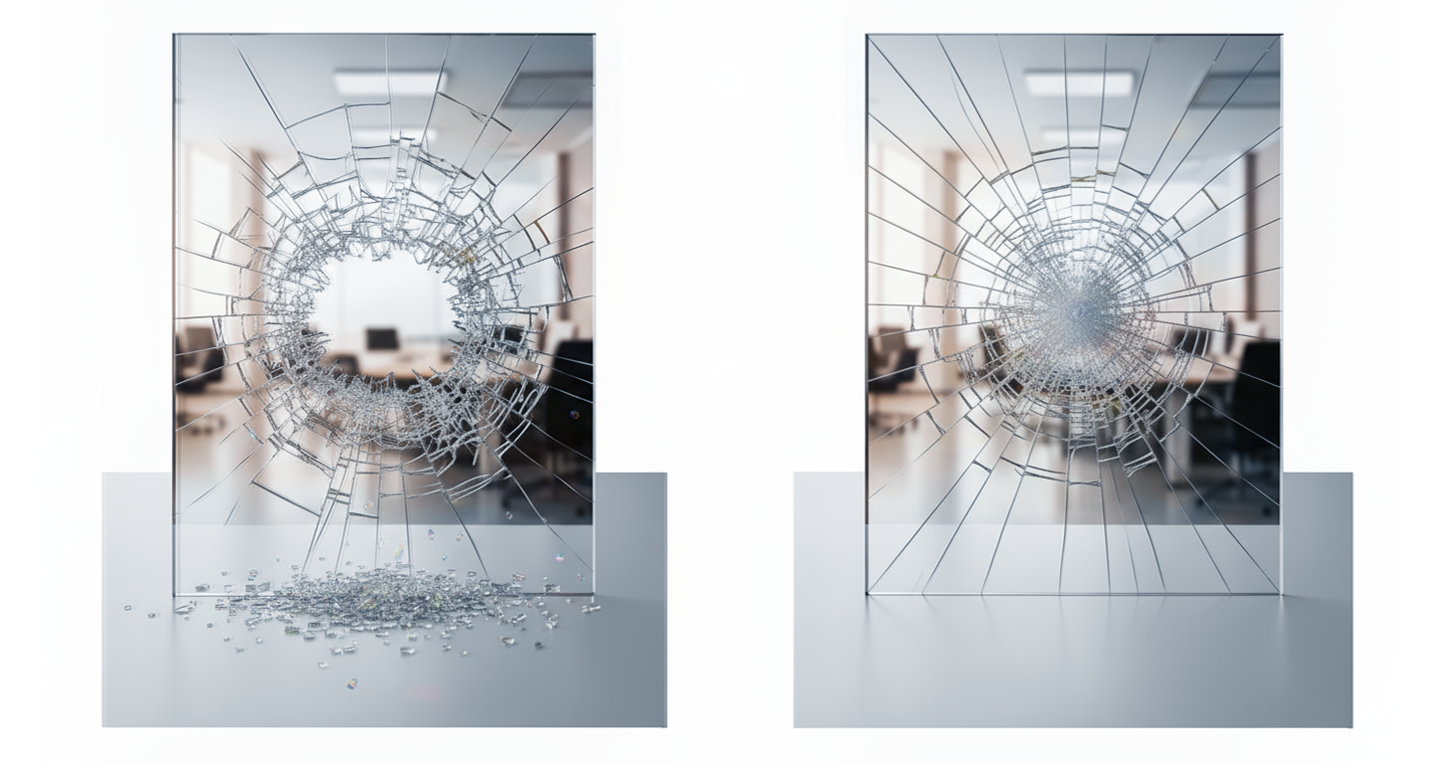
When tempered glass fails, it is designed to shatter into thousands of small, relatively blunt "pebbles" rather than sharp jagged shards. This "break-safe" characteristic significantly reduces the risk of serious injury during an accidental impact, making it the industry standard for residential safety.
Laminated Glass: The Ultimate Security Barrier
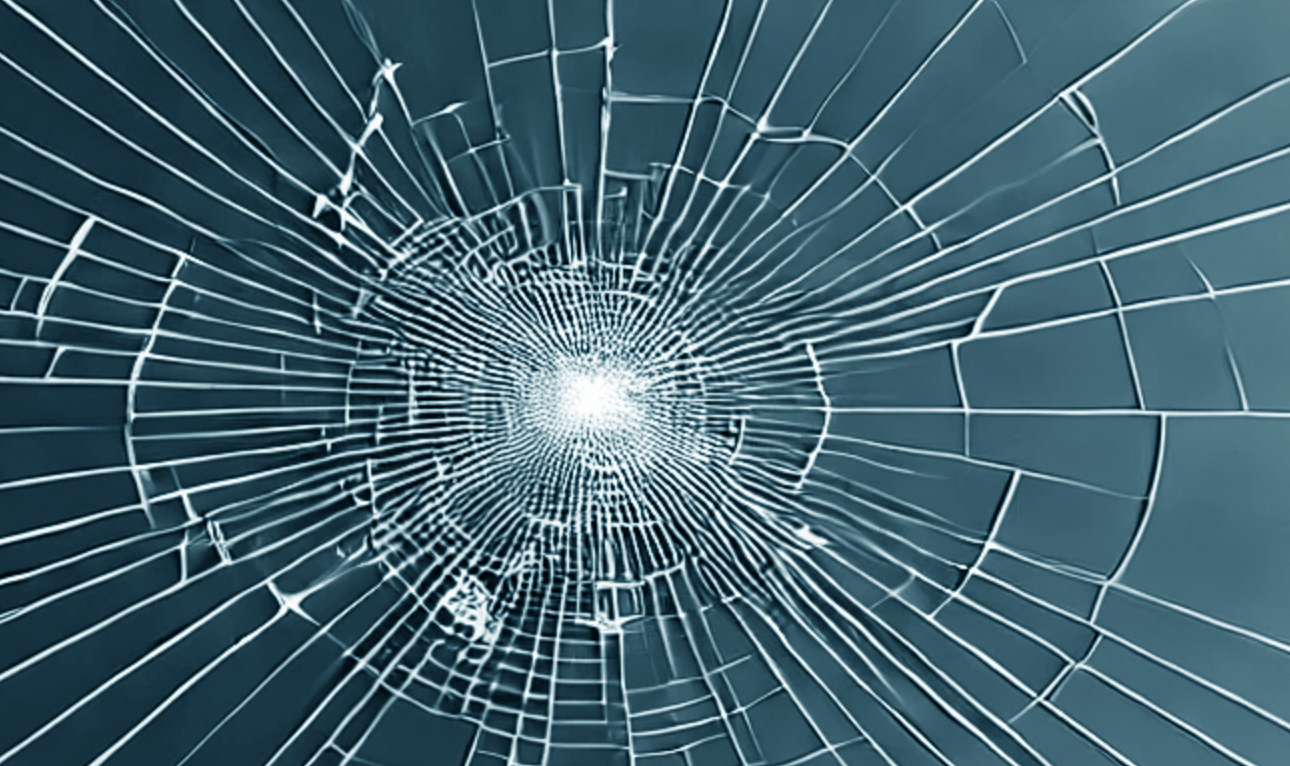
Laminated glass consists of two layers of glass bonded together by a tough, transparent plastic interlayer (usually PVB). If the glass is struck, the outer layers may crack, but the fragments remain firmly adhered to the internal plastic film.
Because the pane remains intact even after breaking, it prevents intruders from simply reaching through a hole. It also offers superior UV protection and sound damping, making it an excellent choice for homes near busy streets or for those prioritising maximum security.
Pros of safety glass in sliding patio doors

Enhanced Safety
The primary benefit of safety glass is the reduced risk of injury. Tempered glass shatters safely into many small pieces, and laminated glass holds the shards together.
Durability
Safety glass is tougher and less likely to break compared to regular glass, making it perfect for high-traffic areas.
Improved Security
Laminated glass is harder to break, offering an extra layer of protection against break-ins.
UV Protection
Some safety glass options come with built-in UV protection, which can help protect your interior from sun damage.
Energy Efficiency
Insulated safety glass provides better thermal performance, helping to regulate temperature and reduce energy bills.

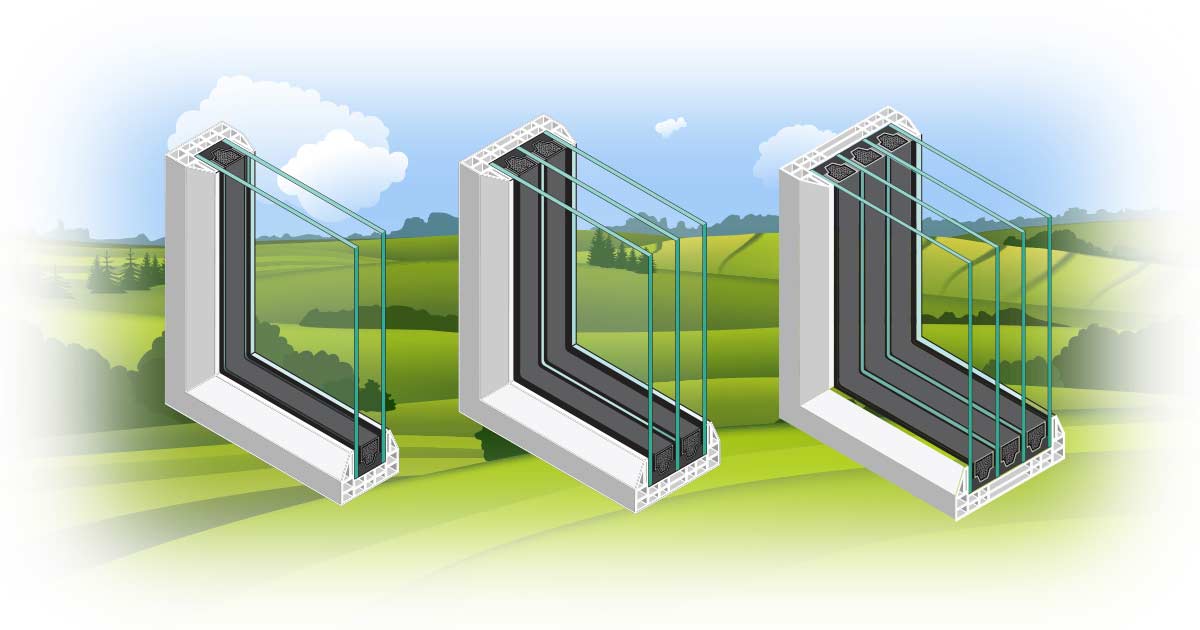
If you live in a noisy neighbourhood or near a busy street, consider upgrading to triple-pane glass for your sliding patio door. The extra layer of glass, combined with insulating gas fills and specialised coatings, significantly reduces outside noise while improving energy efficiency and security. Look for doors with asymmetrical glass thickness or laminated glass options to further dampen sound vibrations. Check out this article: Sound choices for windows
Cons of safety glass in sliding patio doors

Higher Cost
Safety glass, especially laminated glass and insulated glass units, tends to be more expensive than regular glass.
Weight
Laminated glass and multi-pane insulated glass units can be heavier than traditional glass, which may require more robust door frames and hardware to support the additional weight.
Ensure professional installation to maintain the door's integrity and performance. Proper installation prevents issues like air leaks, water infiltration, and operational problems. Look for warranties that include labour and material costs. Check out this article: Understanding window warranties.
Tempered vs. laminated: which is right for your home?
Choosing the right glass involves balancing your specific needs for safety, budget, and local environmental factors.
| Feature | Tempered glass | Laminated glass |
|---|---|---|
| Impact strength | High | Exceptional |
| Post-breakage | Shatters into small pebbles | Stays bonded to the frame |
| Security level | Moderate | High (anti-intrusion) |
| Sound control | Standard | Superior noise reduction |
| Cost | Budget-friendly | Premium investment |
Key benefits of upgrading your patio door glass
Investing in high-quality safety glass provides long-term value that extends beyond simple breakage protection:
Compliance with Building Codes
In many regions, including Ontario, safety glass is a mandatory requirement for large glass doors to ensure the well-being of occupants. Tempered glass is the minimal standard.
Enhanced Energy Efficiency
Modern safety glass is often paired with Low-E coatings and argon gas fills, helping to maintain your home’s internal temperature during harsh Canadian winters.
Peace of Mind
Knowing that your primary rear entrance is equipped with "shatter-resistant" technology allows you to enjoy your outdoor views without worrying about the vulnerabilities of the past.
Conclusion: Professional installation matters
A safety glass unit is only as effective as its installation. Because laminated glass is significantly heavier and tempered glass requires precise fitting to avoid edge-stress, professional installation is vital. Ensuring your sliding door is properly squared and sealed ensures that the safety features perform exactly as intended when you need them most.
Related articles
Want to know more about your options?
Upgrade your home with safe, energy-efficient, and durable glass options, including tempered, laminated, and triple-pane glass. Whether you're looking for enhanced security, noise reduction, or superior insulation, we have the right solution for you. Call us today to explore your options!

Categories: