Insights > Article > Posted: 2025-Aug-21, Updated: 2026-Oct-08
Convert a Window into a Door: What You Need to Know

In this article, learn what’s involved in converting a window into an entrance, patio, or garden door. Explore door options, structural considerations, permits, installation steps, costs, and finishing requirements to help Ottawa homeowners plan better outdoor access.
As our needs change, many homeowners consider transforming a window into a door, whether to create backyard access or bring more light into a space. These projects are becoming increasingly popular, and with good reason.
Much of the framework may already be in place, particularly if the existing window opening is suitable for the new door. However, the wall framing, header, and structural requirements must be assessed before deciding whether a conversion is practical.
However, this is not a simple DIY project. Changing a window into a door should be handled by an experienced contractor with qualified tradespeople involved where required.
Why change a window into a door?
- A newly built deck or patio may call for a door in just the right spot, where a window already exists.
- Adding a door can improve convenience and functionality, providing easier access to areas of the home that currently lack an exterior entry, such as a side entrance.
- Replacing a window with a patio or garden door can open up views, enhance natural light, and create a stronger connection to your outdoor space.
What are your typical choices?
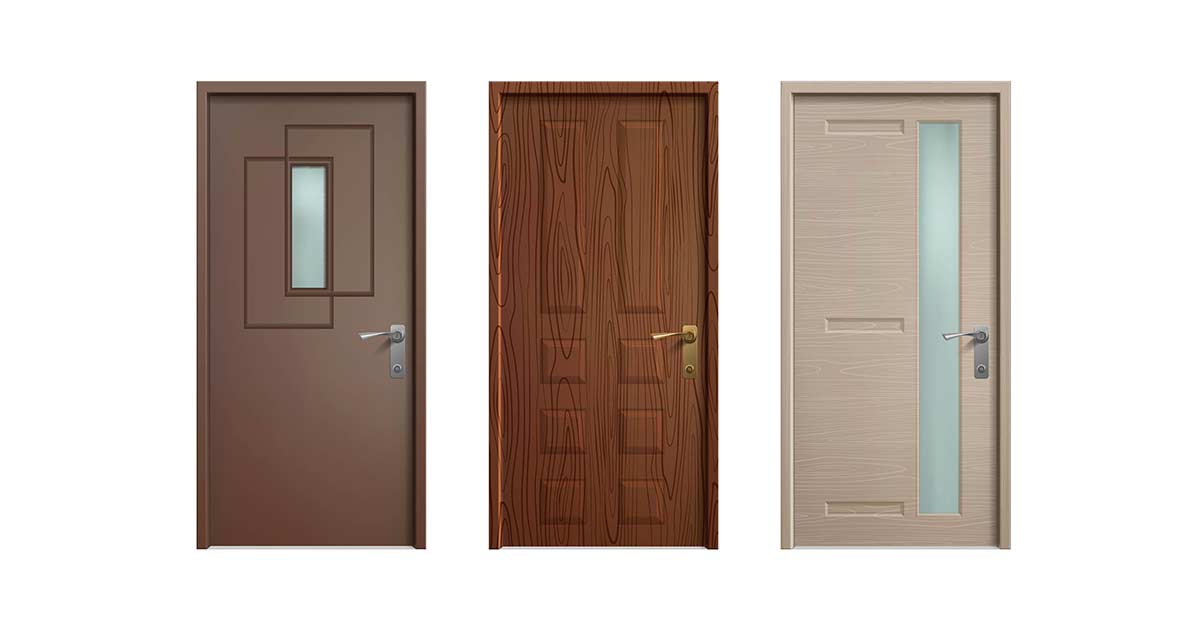
- Swinging entrance door
- Sliding patio door
- Swinging patio door
Anatomy of a wall
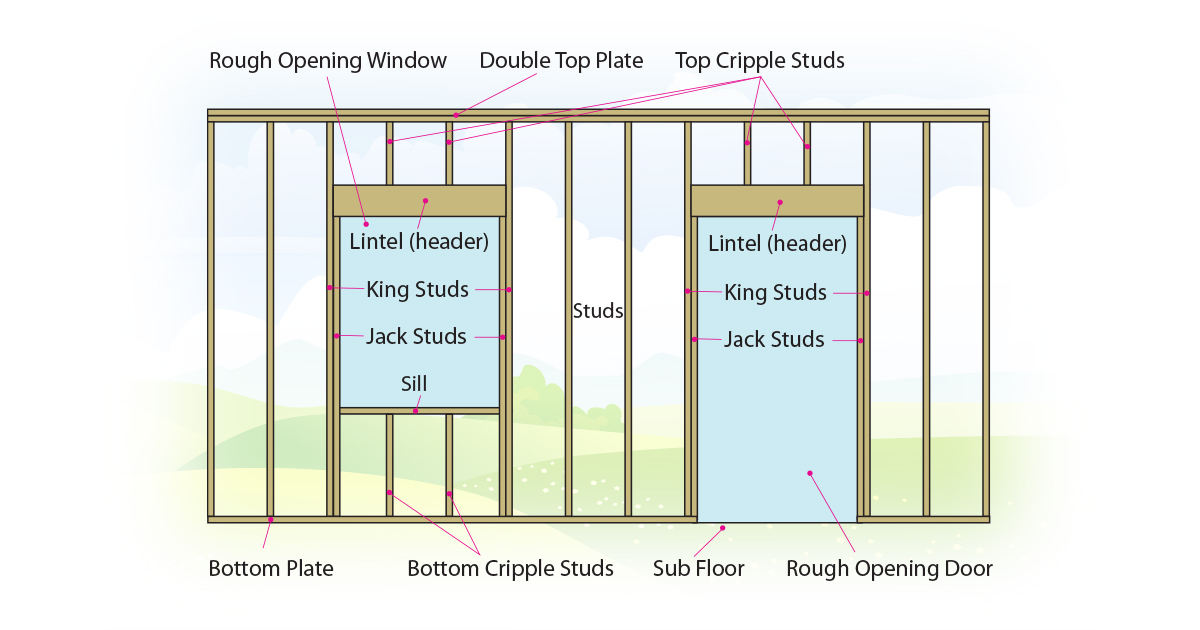
This illustration outlines the essential framing elements used in residential wood construction to accommodate window and door openings. It highlights components such as king studs, jack studs, headers (lintels), cripple studs, and sills. The double top plate and bottom plate provide horizontal continuity, while appropriately designed framing around the rough openings maintains the wall’s structural integrity.
Hurdles and considerations
Permit Requirements
- Before work begins, check with your local municipality about permit requirements for your proposed conversion.
- Confirm with your contractor who will arrange any required permits and inspections.
- Expanding a window opening to accommodate a wider door may involve structural changes that require approval.
- Changes to studs, headers, or electrical wiring must be assessed and completed in accordance with applicable requirements.
- Ask about current permit processing times when planning your project schedule.
Building Codes
Confirm the applicable building-code requirements for your proposed door, including opening dimensions, safe access, and any required landings or steps. Your contractor and local building department can help determine what applies to your project.
Cleaning
Converting a window into a door is a messy job. Although good installers will try to ensure the cleanest working site possible, be prepared for above-average amounts of dust inside and outside your home when all the cutting is done.
Electrical
Electrical wiring may run below or beside a window. Have the area assessed before cutting begins. If wiring needs to be moved, a qualified electrician should handle the work and confirm the applicable requirements.
Plumbing
Plumbing or an exterior faucet may affect the proposed doorway location. If plumbing needs to be rerouted, a qualified plumber may be required, and the water may need to be shut off temporarily.
Structural
- The structural integrity of the wall must be retained. Additional access to the surrounding wall may be necessary to install appropriate framing.
- Not all window openings are high enough for a door. The existing header may need to be assessed and altered or replaced.
- Exterior materials such as brick, stone, stucco, and concrete can introduce additional structural and refinishing considerations that affect installation costs.
Accessibility
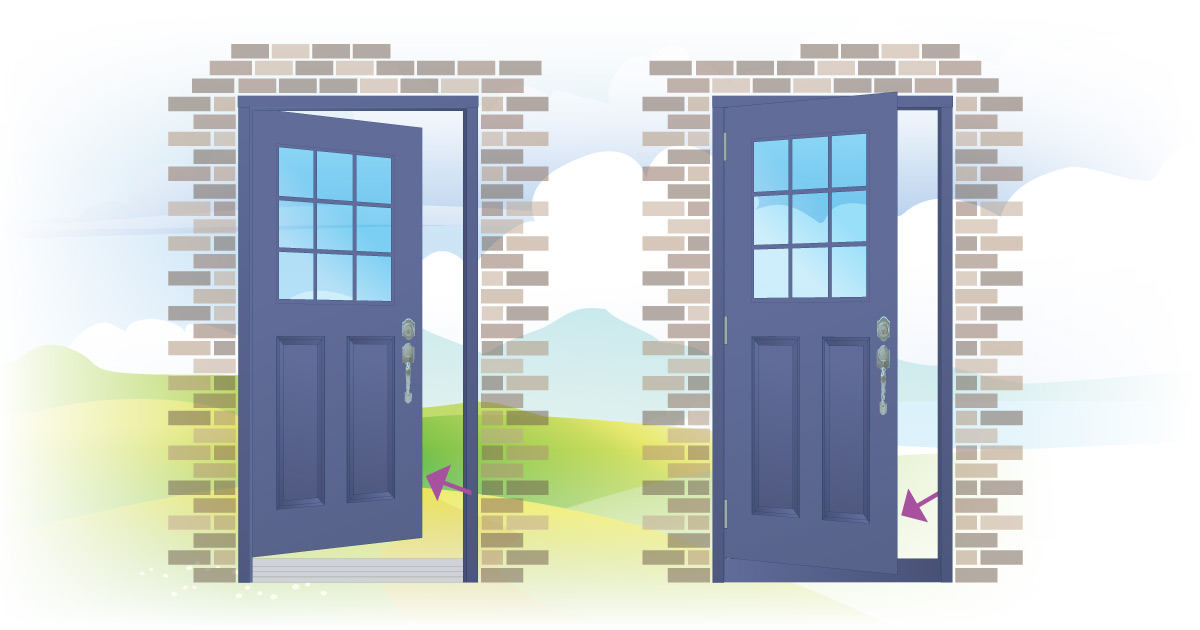
Before you decide on a location for your new door, ensure that its positioning allows for an unobstructed opening and safe access. Exterior swing and garden doors may open inward or outward, depending on the door system and installation requirements. Ask your specialist which arrangement suits your home.
Energy Efficiency
The effect on energy efficiency depends on the existing window, the new door, the size of the opening, and the quality of installation. Consider insulation, glazing performance, weatherstripping, and air sealing when comparing your options.
Finishing
Once your window-to-door conversion has been completed, several finishing items may still be required. Some installers include all finishing work, while others do not. Ask your installer exactly what is included so you can plan for any additional work.
- Drywall repair
- Exterior finishing
- Interior trim
- Steps or landings, where required

Tip: Want stained glass or a decorative sidelight? A brick exterior or upgraded trim? These add charm and affect pricing. We’ll provide a clear breakdown so you can choose what’s most important to you.
Steps involved in a window-to-door conversion
- Contact a window and door installer for a consultation.
- Have a professional assess the wall framing and check for electrical wiring, plumbing, and other obstructions where the door will be installed.
- Determine whether permits or inspections will be required and confirm who will arrange them.
- Approve the quote and pay the required deposit.
- The contractor will map out and mark the internal and external areas where the door will be installed.
- If electrical wiring is present, the appropriate circuit will need to be switched off before work begins.
- The contractor will modify the opening, providing structural support where required.
- If electrical wiring or plumbing needs to be rerouted, qualified professionals will complete that work in accordance with applicable requirements.
-
The window framing, casing, and remaining wall below the window will be removed, and the opening will be prepared for the new door.
- Preserving the interior drywall can be challenging and may require trimming it back to the adjacent studs.
- Window installers carry out cut-downs and cut-outs through materials such as drywall, stucco, and siding.
- Basement walkouts may require concrete cutting by a specialised contractor.
- A wider opening may require temporary structural support and changes to the header.
- Missing siding or drywall may need to be replaced, followed by refinishing and painting.
- The opening will be reframed as required to maintain structural integrity and prepare for proper air and moisture sealing.
- Once the structural work is complete, the new door will be installed according to the manufacturer's specifications and instructions.
- Interior and exterior finishing may require a separate contractor. Ask your installer exactly which finishing work is included.
- Once installation is complete, the contractor will remove the debris and old window and clean up the site.
Tip: Be ready for mess (and we’ll clean up): Converting a window into a door creates a surprising amount of dust. We take precautions, clean up thoroughly, and let you enjoy the end result with minimal hassle.
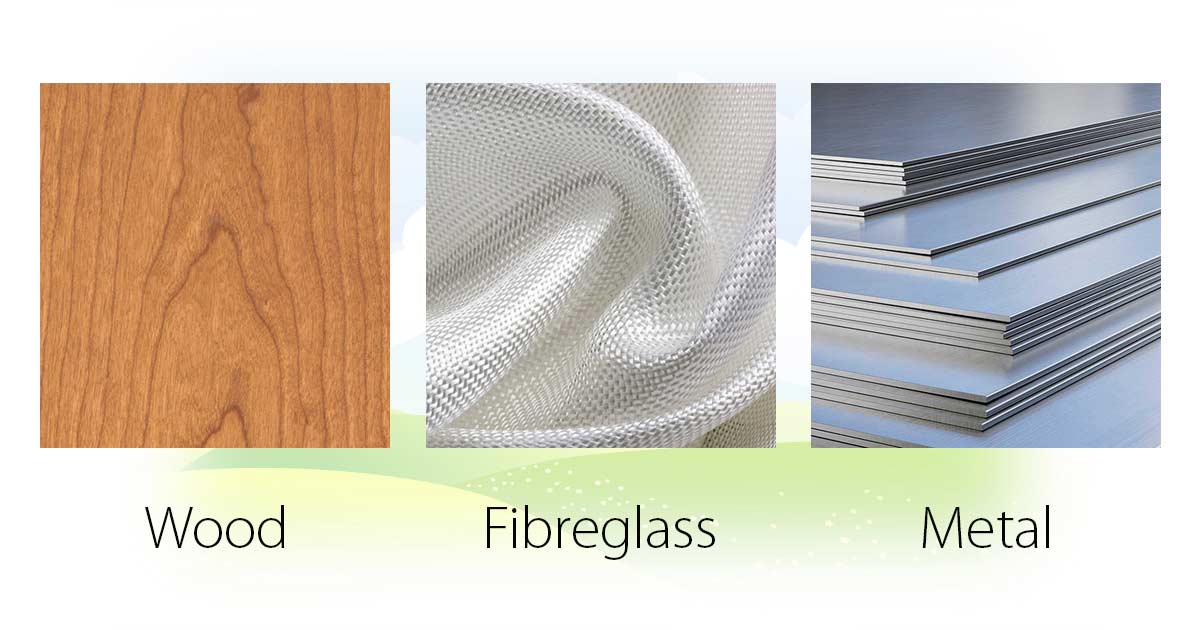
Tip: Material matters: Steel, fibreglass, or wood door? Each looks different, performs differently, and carries different price points. We’ll help you find the perfect option for both style and climate.
Costs Involved
Request a current, project-specific quote. The cost of a window-to-door conversion depends on the door system, the existing wall, and the extent of structural and finishing work.
- Special options such as stained glass, sidelights, and premium hardware can increase the cost.
- Exterior materials such as concrete, brick, or stone can increase installation costs.
- Premium exterior finishing and trim can increase the cost.
- Structural changes or concealed issues can add to the project cost.
- Electrical or plumbing alterations, permits, and additional finishing work may affect the total.
Tip: Think energy and financing: Compare door performance and ask about current financing options. Confirm program availability and eligibility before including financial assistance in your budget.
Building Code Considerations – Leave it to Bayview Windows Experts
When converting a window into a door, the applicable Ontario Building Code requirements must be considered as part of the project. Confirm the requirements for your particular installation with your contractor and local building department.
- Door dimensions: Confirm the required opening dimensions for the door’s location and intended use.
- Landings and steps: Determine whether a landing, steps, or a deck is required to provide safe access.
- Structural framing: Have any changes to the opening, header, or supporting wall assessed before work begins.
At Bayview Windows, our team can help you understand the installation requirements and coordinate the work needed for your new entrance.
Tip: Planning a winter installation? Ask our team about scheduling, weather conditions, and the requirements for your particular conversion.
Tip: Clarify finishing responsibilities: Need drywall patched, siding repaired, or steps installed? Ask your contractor exactly what’s included and what you might need to hire separately.
What about adding a door where there is no window?
Adding a door where there is no existing window involves similar considerations, but a new opening and its supporting framing must be designed and constructed. The work may be more complex, particularly where structural changes are required.
Related articles


Need more information?
Curious about converting a window into a door? We have the answers! Call or request more information to explore the enchanting world of window-to-door conversion. Our expert team is ready to guide you and answer all your questions – reach out now and unlock the magic!
Request a quote | 613-838-2211

Categories: