Insights > Article > Posted: 2023-Nov-16, Updated: 2026-Nov-13
Sash vs No Sash: What Ottawa Homeowners Should Know Before Replacing Windows

Window sash and sashless designs offer distinct differences in appearance, glass area, functionality and potential energy performance. While traditional sash windows feature a separate frame that holds the glass, sashless fixed windows can provide a larger viewing area, increased natural light and a more streamlined appearance. This guide helps Ottawa homeowners understand the differences between sash and sashless window configurations, compare their benefits and limitations, and choose replacement windows that complement their home's architectural style, comfort and performance requirements.
Sashed windows
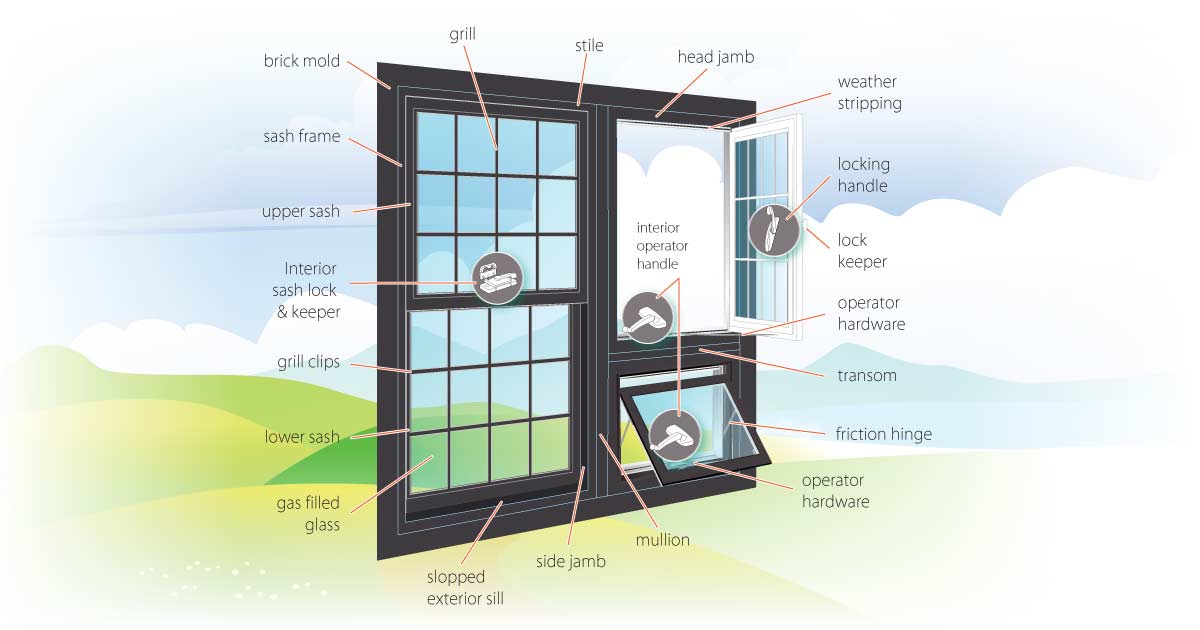
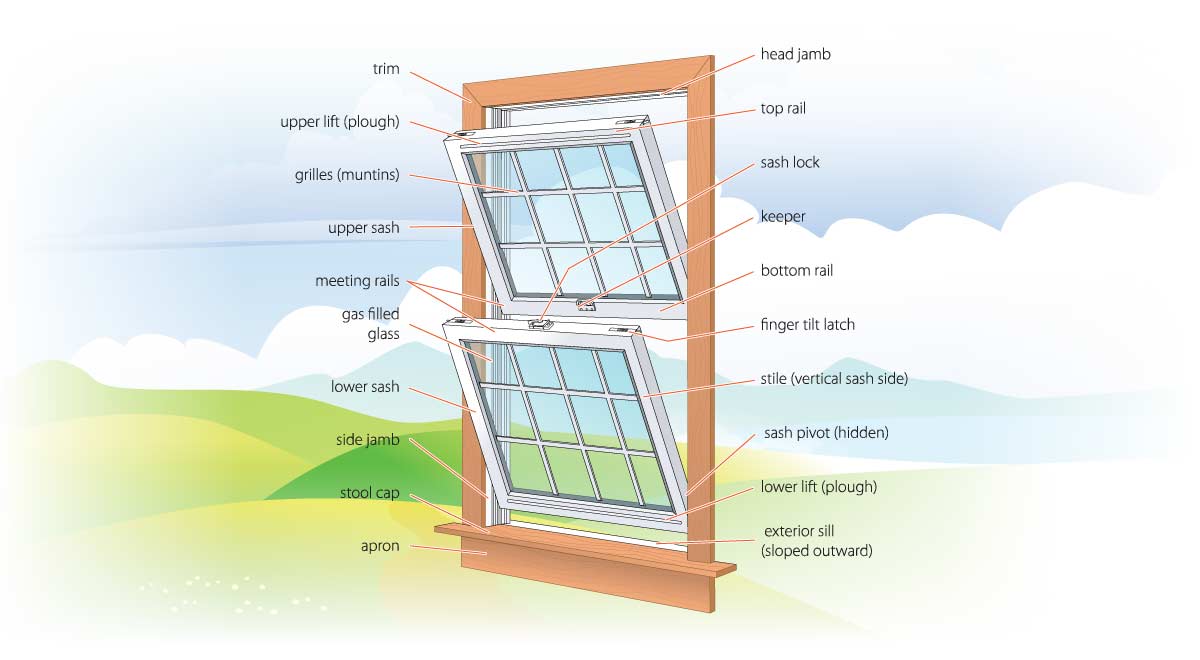
A sashed window features a traditional frame-style design commonly used in both fixed and operational windows. The frame, which can vary in height depending on the manufacturer, adds strength to the window structure and conceals the inner hardware necessary for operational windows.
Benefits of Sashed Windows:
- Better Insulation: The sash design creates an airtight seal, minimising heat loss and improving energy efficiency, thus reducing energy bills.
- Enhanced Security: Sashed windows often include robust locking mechanisms, offering superior security compared to sashless options.
- Versatile Design: Available in various styles and designs, sashed windows allow homeowners to customise their home's look and feel.
- Improved Ventilation: Sashed windows can be opened at the top or bottom, facilitating better airflow and ventilation indoors.
- Increased Home Value: Sashed windows are desirable features that can enhance the value of your property.
Considerations with Sashed Windows:
- Reduced Viewing Area: When closed, the sash may obstruct some views.
- Maintenance Requirements: Sashed windows may require more upkeep due to their moving parts, such as hinges and locks.
- Higher Cost: Their complex design and construction can make sashed windows more expensive than other types.
- Potential Drafts: Improperly installed or maintained weatherstripping can lead to drafts and air leaks.
Sashless Windows
In contrast, sashless (or low-profile) windows are considered modern and are typically available as fixed picture windows, offering unobstructed views of the outdoors.
Benefits of Sashless Windows:
- Uninterrupted Views: Provides clear and expansive views without obstructions.
- Ease of Maintenance: Can be cleaned easily from both inside and outside.
- Versatility in Design: Highly customizable in terms of size and shape.
Considerations with Sashless Windows:
- Energy Efficiency: This may not provide as effective a seal as sashed windows, potentially leading to reduced energy efficiency.
- Installation Cost: Initial installation costs may be higher compared to traditional sash windows.
- Operation Challenges: Opening and closing sashless windows may require more effort without a sash to hold onto.
- Availability of Parts: Sashless windows may not be as common, making it harder to find replacement parts or repairs.
Combination Options
For those considering a combination of window types, such as a fixed picture window paired with an operational window like a hung, casement, or awning window within a single opening, choosing between sashed and sashless options for the fixed window remains crucial. Below is an example to consider:

The photo above shows:
- Left - a fixed picture window (sashed) paired with a casement window (sashed)
- Right - a hung window (sashed) paired with a picture window (no sash)
Summary
Whether choosing the traditional strength and insulation of sash windows or the modern appeal and unobstructed views of sashless windows, each option has its unique advantages and considerations. Factors such as energy efficiency, maintenance needs, initial costs, and aesthetic preferences should guide homeowners in selecting the ideal window type for their homes. Ultimately, the right choice can enhance both functionality and visual appeal, making it a decision worthy of careful consideration and informed evaluation.
Related articles


Find the right balance of style, light and performance
Choosing between sash and sashless window designs can make a noticeable difference in your home's appearance, natural light and viewing area. At Bayview Windows, our specialists can help you compare window configurations and select options that complement your home's architectural style and energy efficiency requirements.
Request your free, no-obligation quote today and discover how the right window design can maximise your views, enhance your home's beauty and improve year-round comfort.

Categories:

